
Fixed timing-reference installations
GPS & GNSS Timing Antennas
Build a reliable RF link between GNSS satellites and your timing receiver. Compare approved RFTECH antenna options by frequency, receiver bias, filtering, mounting and outdoor requirements.
System boundary: the antenna receives satellite signals and feeds a compatible receiver. It does not generate NTP or PTP service and is not a complete GPS clock or time server.
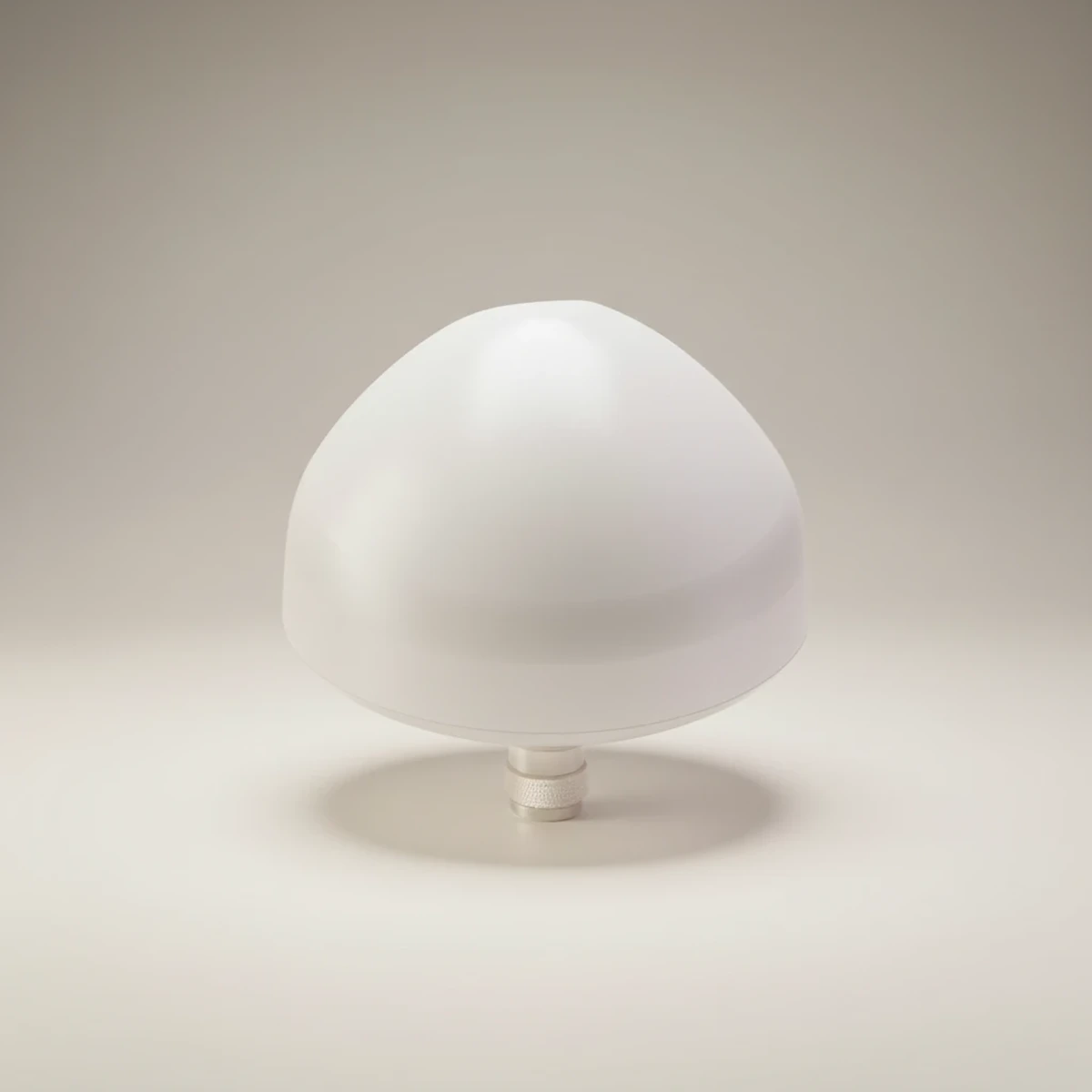
Approved product shortlist
Timing antenna models
These two existing models are approved for fixed GPS/GNSS timing and time-synchronization use. Each numeric specification remains tied to its own source record.
Outdoor active antenna
GL-DY225
The documented active design uses two filters and lists 50 dB out-of-band attenuation at the center frequency ±50 MHz. Its stated supply range is 2.7–10 V DC, with current below 25 mA and noise figure below 2.5 dB.
The documented configuration uses RHCP, a screw mount, TNC connector and ABS radome. Environmental data lists −40 to +85 °C operation and up to 95% relative humidity.
Use this model when: you need a fixed outdoor antenna with documented active gain, dual filtering and environmental ratings for engineering review.
View GL-DY225 specifications →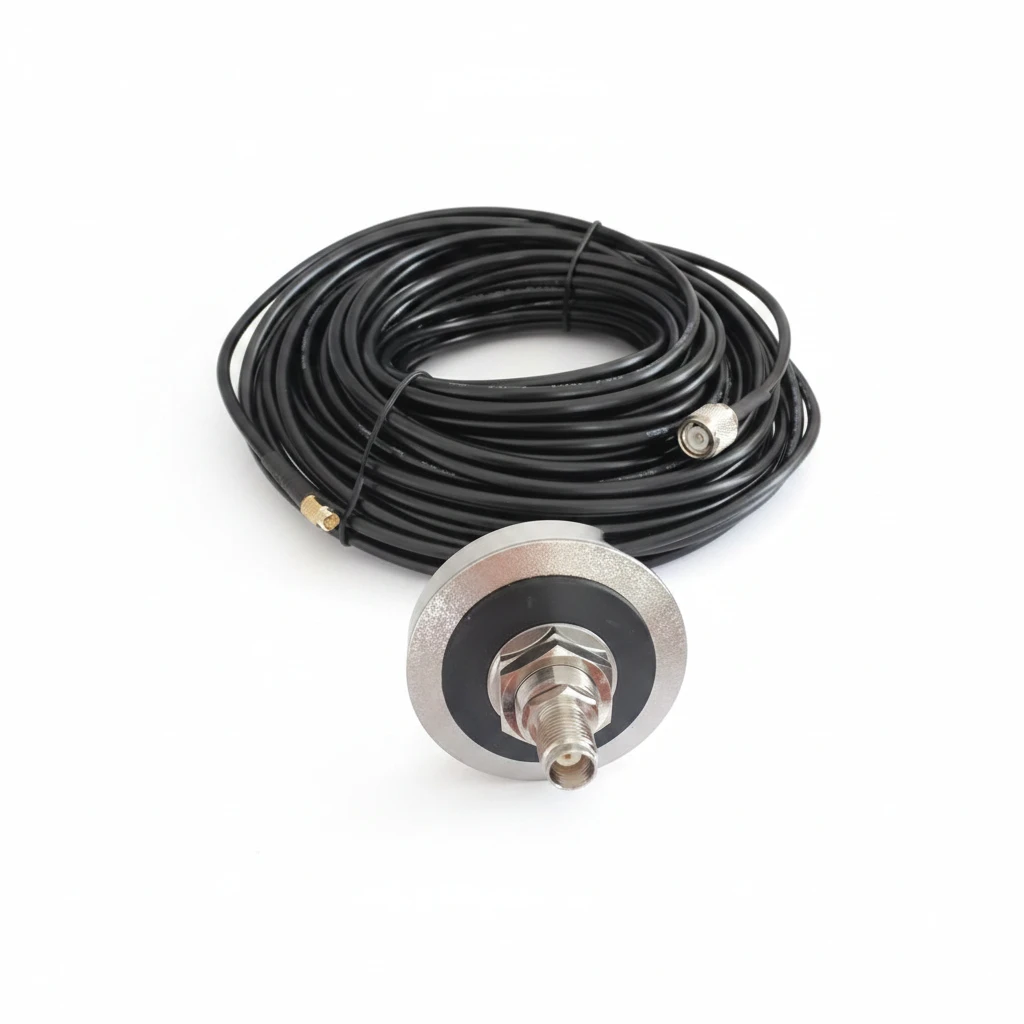
GPS/GLONASS candidate
GL-DY225D
GL-DY225D is approved for fixed timing and time-synchronization use. Its published product record lists GPS/GLONASS frequency coverage, RHCP polarization, an ABS radome and a 25 × 25 × 6 mm antenna element.
Check the final active-electrical configuration, connector, cable, mounting arrangement and environmental limits against the current technical sheet. Values from GL-DY225 are not automatically transferable to GL-DY225D.
Use this model when: the listed GPS/GLONASS bands and compact dimensions fit the receiver and mechanical envelope, subject to datasheet confirmation.
View GL-DY225D specifications →Documented versus confirm
Compare the current shortlist
“Confirm” means the value is not assumed from another antenna. Send the receiver and installation requirements so RFTECH can check the current technical sheet before quotation.
| Selection point | GL-DY225 | GL-DY225D |
|---|---|---|
| Approved timing use | Fixed GPS/GNSS timing and time synchronization | Fixed GPS/GNSS timing and time synchronization |
| Published frequency coverage | 1575.42 ±3 MHz; 1602–1610 MHz | 1575.42 ±3 MHz; 1602–1610 MHz |
| Polarization | RHCP | RHCP |
| Active electronics | 40 dB typical LNA; two filters | Confirm against the current technical sheet |
| Supply requirement | 2.7–10 V DC; below 25 mA | Confirm against the current technical sheet |
| Documented rejection | 50 dB at center frequency ±50 MHz | Not stated on the current public page |
| Mount and connector | Screw mount; TNC in the documented configuration | Confirm the final configuration |
| Outdoor data | IP67; −40 to +85 °C; up to 95% RH | Confirm the required rating for the ordered configuration |
Selection method
How to choose a GPS timing antenna
Frequency is only the first check. Review the receiver input, complete RF path, site environment and mounting together.
Start with the timing receiver
Provide the receiver make and model, supported constellation and antenna-input specification. An active antenna must match the receiver’s DC bias voltage and current limits; a frequency match alone does not prove compatibility.
Check the complete RF path
Cable type, cable length, connectors and inline protection all affect the signal reaching the receiver. Longer runs add loss, while excessive gain can also exceed receiver limits. There is no universal maximum cable length.
Account for interference
Nearby cellular, radio or other high-power transmitters can make front-end filtering important. GL-DY225 has documented dual filtering and rejection data, so share nearby transmitter bands when interference is a concern.
Match the outdoor installation
Include sky view, mounting surface, clearance, temperature, moisture exposure and connector orientation. Do not transfer GL-DY225 environmental ratings to another model or assembly without confirmation.
Surge and lightning boundary: outdoor sites may require grounding and surge protection under project electrical rules. These components and bonding methods belong to the complete system design; the antenna alone is not presented as lightning protection.
Engineering inquiry
What to send for a useful recommendation
These inputs let the team compare real configurations without guessing at receiver, cable or connector compatibility.
- Timing receiver make, model and antenna input
- Required constellation and frequency bands
- Receiver bias voltage and available current
- Proposed cable type and cable length
- Connector at the antenna and receiver ends
- Mount, installation space and environment
- Nearby transmitter or interference concerns
- Estimated quantity
Related range
Explore the wider GNSS antenna family
If your project is primarily for navigation, tracking or another GNSS application, browse the broader GPS and GNSS antenna range. For a timing project, request the approved shortlist so the antenna, receiver input and installation path can be reviewed together.
Request a timing antenna shortlist
Send the receiver model, frequency bands, bias, cable, connector and site details for a focused GL-DY225 / GL-DY225D review.
