
Cables & Connectors
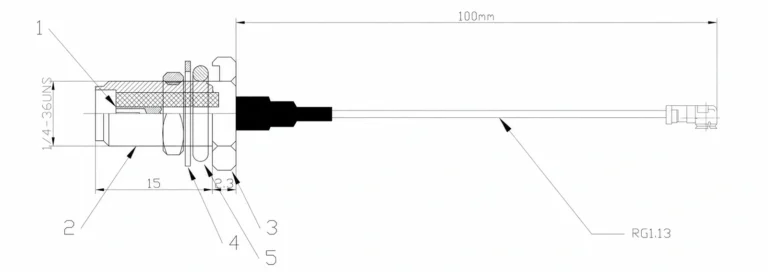
SMA to IPEX Pigtail Selection: The C39 Cable Example
Choose an SMA-to-IPEX pigtail by frequency, connector fit, cable length and sealing. Review the C39 drawing: 1.13 mm cable, 100 mm, 0–3 GHz.
Insights & Resources
Actionable antenna engineering insights, deployment lessons, and practical product guidance from our RF team.
Choose an SMA-to-IPEX pigtail by frequency, connector fit, cable length and sealing. Review the C39 drawing: 1.13 mm cable, 100 mm, 0–3 GHz.

A healthy antenna system is not defined by whether it is still transmitting. It is defined by whether its mechanical condition, environmental protection and RF…
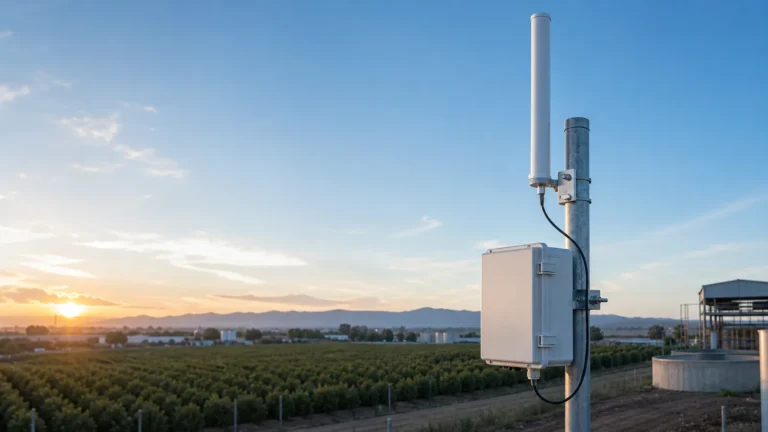
For documented product options, compare Outdoor LoRa Gateway Antennas. Choosing an 868 MHz outdoor LoRa antenna with an N female interface and IP67 sealing is…
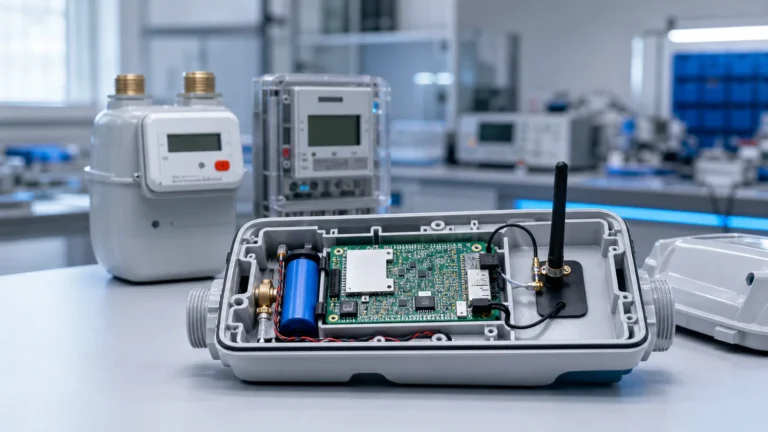
For documented product options, compare LoRa antennas for smart metering. 868 MHz Antennas for Smart Water, Gas and Electricity Meters Choosing an 868 MHz antenna…

Diagnose poor LoRa gateway range by checking band, placement, gain, cable loss and SMA/RP-SMA interfaces. Includes a 5 m cable-loss example.
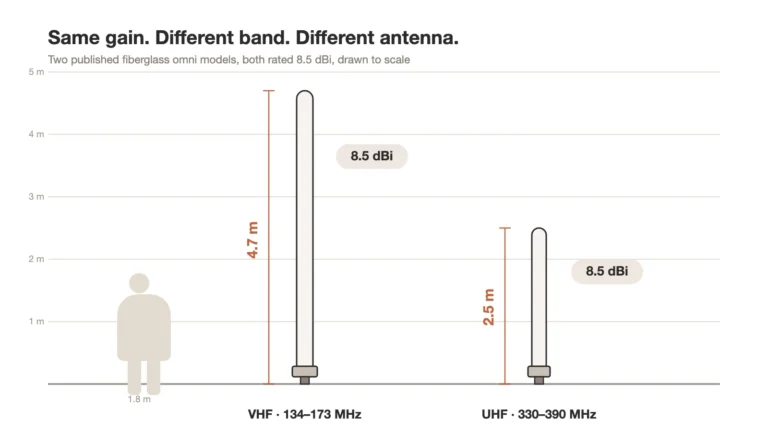
Short answer: choose VHF when you are covering open ground, water or rural terrain and want range from fewer sites. Choose UHF when you are working around…

Choosing an omnidirectional antenna looks simple — it covers 360°, so there is nothing to aim. The part that catches people out is gain. On an omni, gain does not…
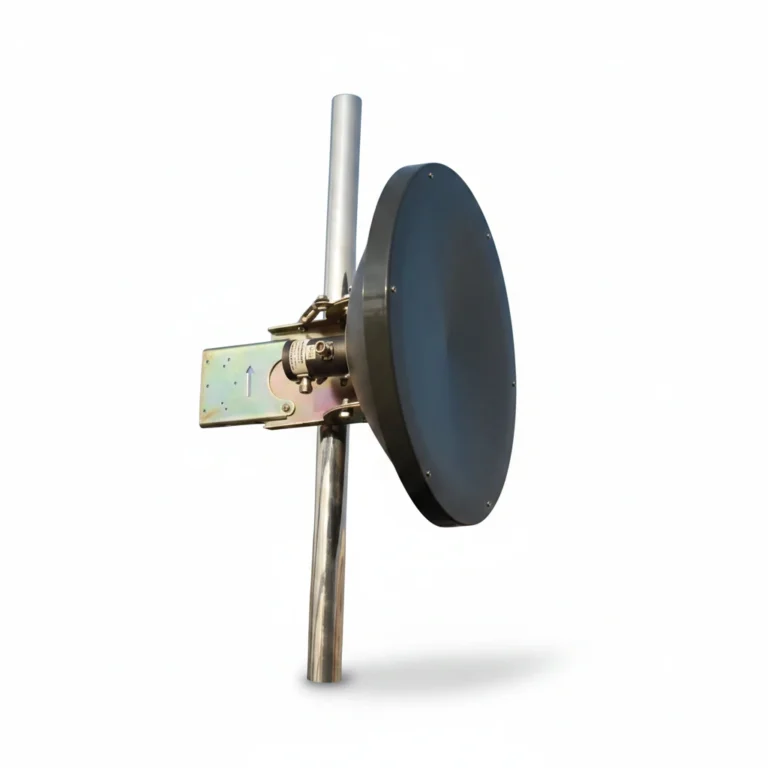
A parabolic antenna — usually called a dish antenna — uses a curved reflector to collect radio waves arriving from one direction and concentrate them onto a single…

A whip antenna is a straight, usually flexible conductor connected at one end to a radio. Most familiar whips operate as monopoles: the whip is the driven element…

4G is a network generation; LTE is the technology most people use as 4G. Learn where LTE-Advanced fits and what actually matters for antenna selection.

Learn what an antenna ground plane does, which antenna types depend on one, and how PCB, vehicle and GNSS installations change the result.

Understand normal-mode and axial-mode helical antennas, how their radiation and polarization differ, and which design inputs matter before selection.
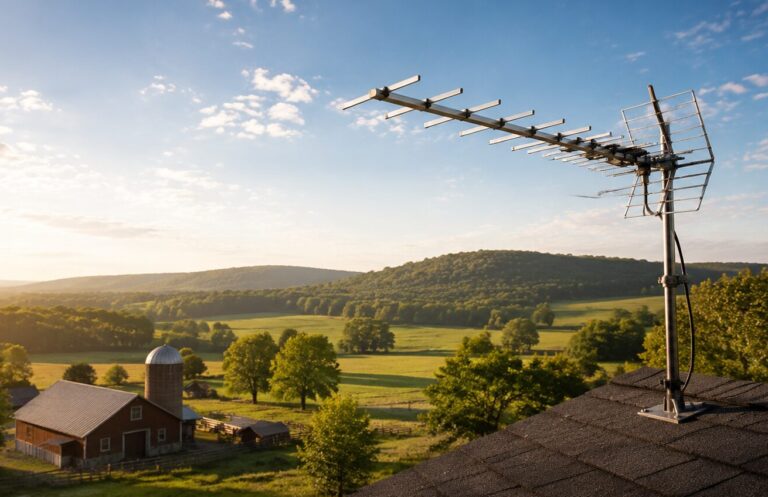
Finding the best outdoor TV antenna for rural areas requires more than choosing the longest advertised range. This guide explains how antenna gain, direction…

Are high-gain antennas always better? Understand how antenna gain affects signal coverage, directivity, and performance, and learn how to select the right antenna…

Learn how PCB trace antennas work, which layouts are common, what changes performance, and when a chip or FPC antenna is the better embedded choice.

Learn how dipole antennas radiate, why a half-wave dipole needs final tuning, how folded dipoles differ, and what to check before selection.
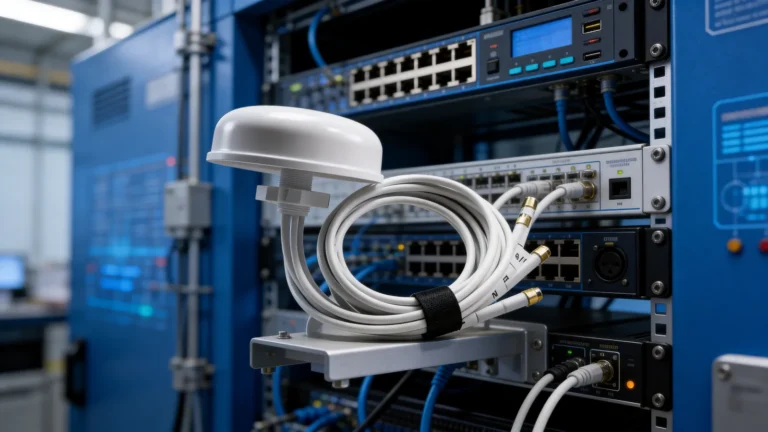
Choose an outdoor WiFi antenna by band, gain, beamwidth, cable loss, connector, and weather rating. Get practical OEM selection guidance.
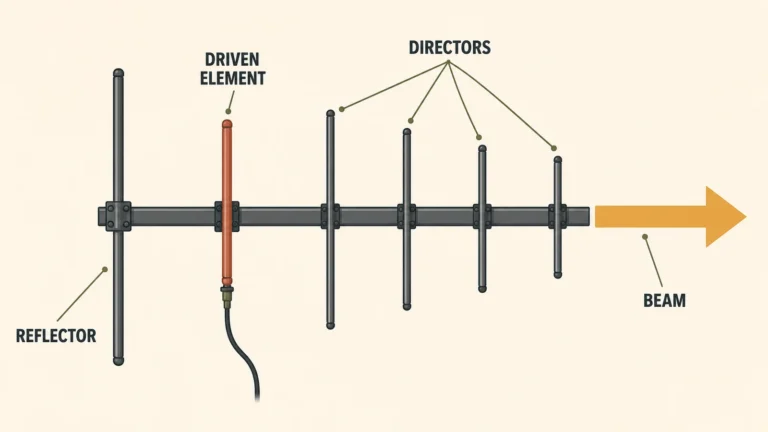
A Yagi (Yagi-Uda) antenna is a high-gain directional antenna. Learn how it works, its parts, radiation pattern, gain, and real-world VHF/UHF uses.

A practical guide to LoRa and LoRaWAN antennas: how they work, 868 vs 915 MHz, antenna types, gain and range, plus how to pick one for your IoT deployment.

Compare RG58 and RG400 coax cables by size, loss, shielding, temperature, frequency range, connector options, and RF cable assembly use cases.

Compare RG174 and RG316 coax by signal loss, temperature range, flexibility and cost. Choose the right cable for GPS, IoT, RF pigtails and outdoor use.

An RF combiner merges multiple RF signals into one output. Learn how they work, the main types, insertion loss vs isolation, combiner vs splitter, and how to choose…
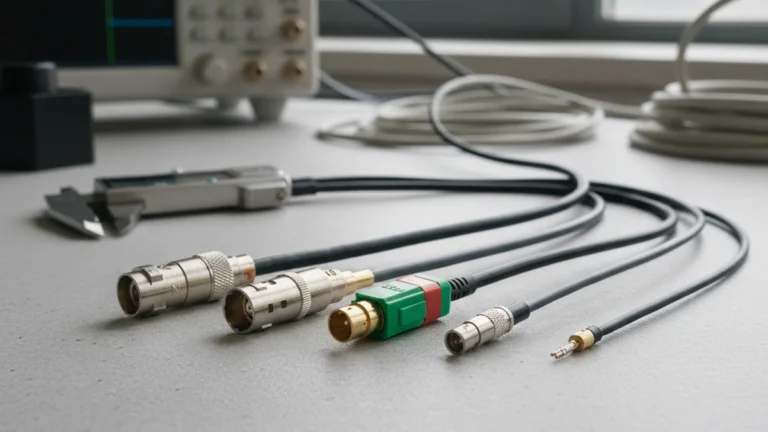
Antenna connector types explained — SMA, Fakra, IPEX/u.FL, TNC, MCX and N-type — what each is for, how to choose by mount and frequency, and mistakes to avoid.
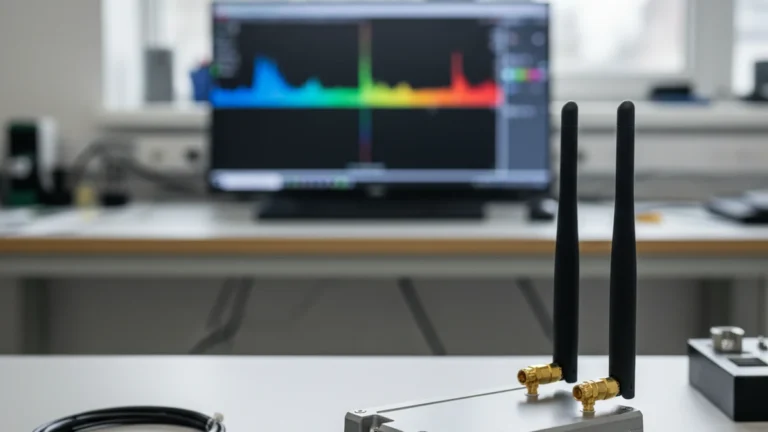
What is an LTE antenna, how it works, the cellular bands it covers, and why it's different from a Wi-Fi or 5G antenna — plus a quick guide to choosing one.
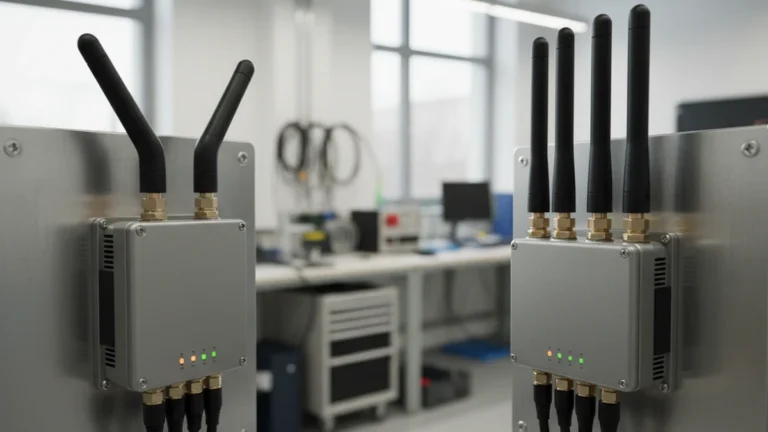
4G vs 5G antenna explained — frequency bands, sub-6 vs mmWave, 2x2 vs 4x4 MIMO, and a decision path for whether you need a new antenna for 5G.
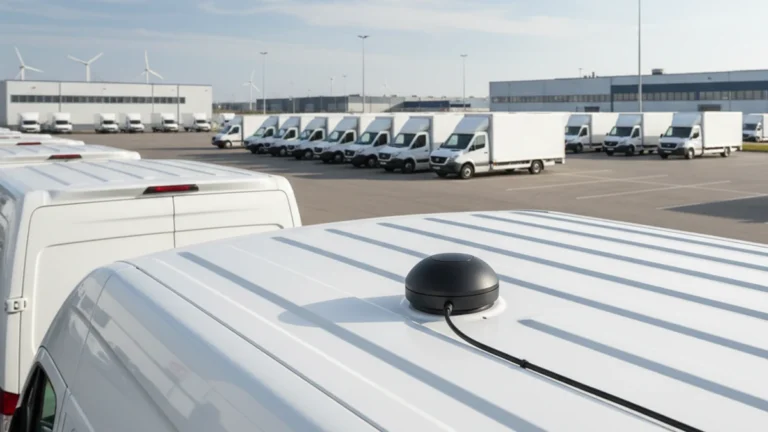
Where to mount a GPS antenna in a car or truck — best locations in order, install steps, the metal-roof and athermic-glass traps, and how to fix a weak fix.
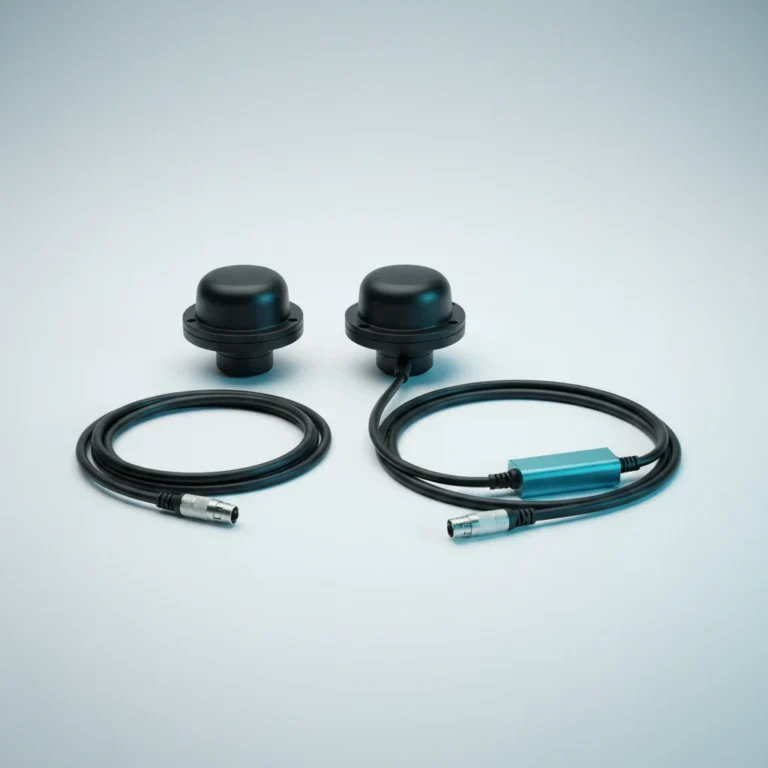
Active vs passive GPS antenna, decided in one rule — by cable length and mounting. Includes a decision table, LNA gain and bias guidance, and common mistakes.
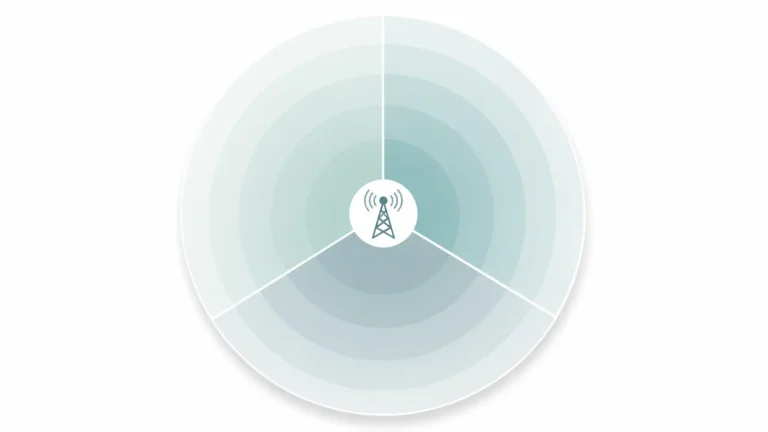
See how sectorized antennas use 65, 90 or 120 degree beams for 360 coverage, higher capacity and cleaner interference control than one omni antenna.
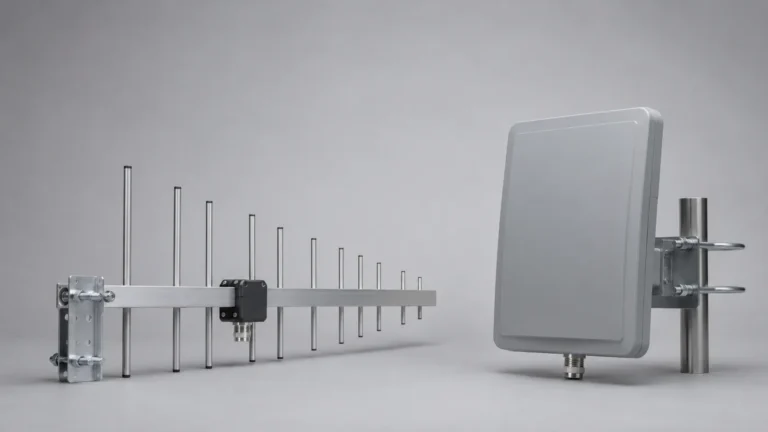
A panel antenna and a Yagi antenna are both directional, but they shape their energy very differently, and that difference decides which one belongs on your link…
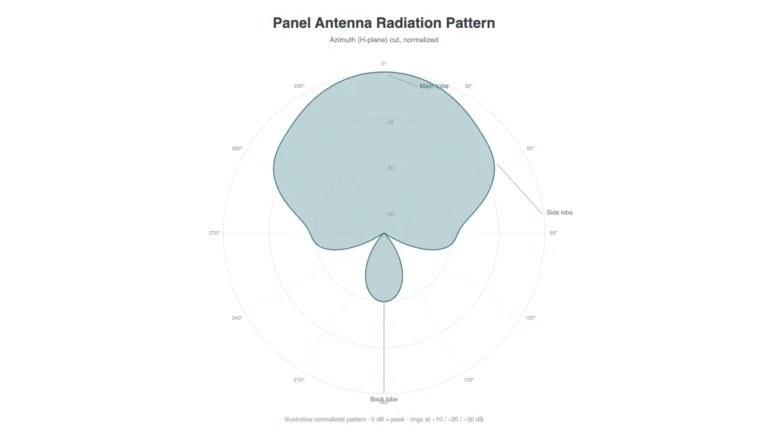
A panel antenna radiation pattern tells you where the antenna actually puts its energy - and that, not the gain figure on the datasheet, decides whether your link…
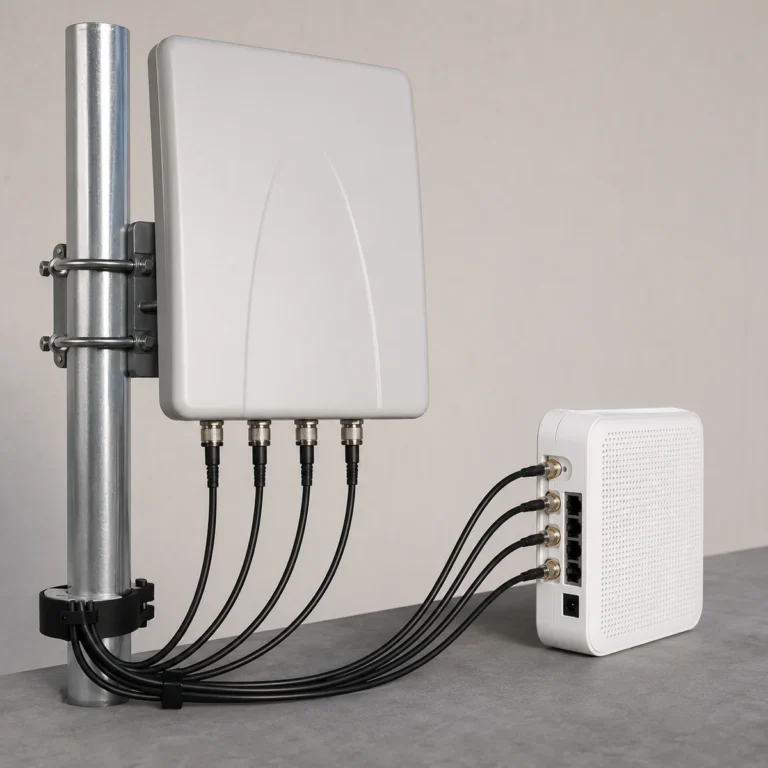
A 5G MIMO antenna carries multiple elements (2x2 or 4x4) so a 5G radio sends several data streams at once. Here is how it works and when you need one.
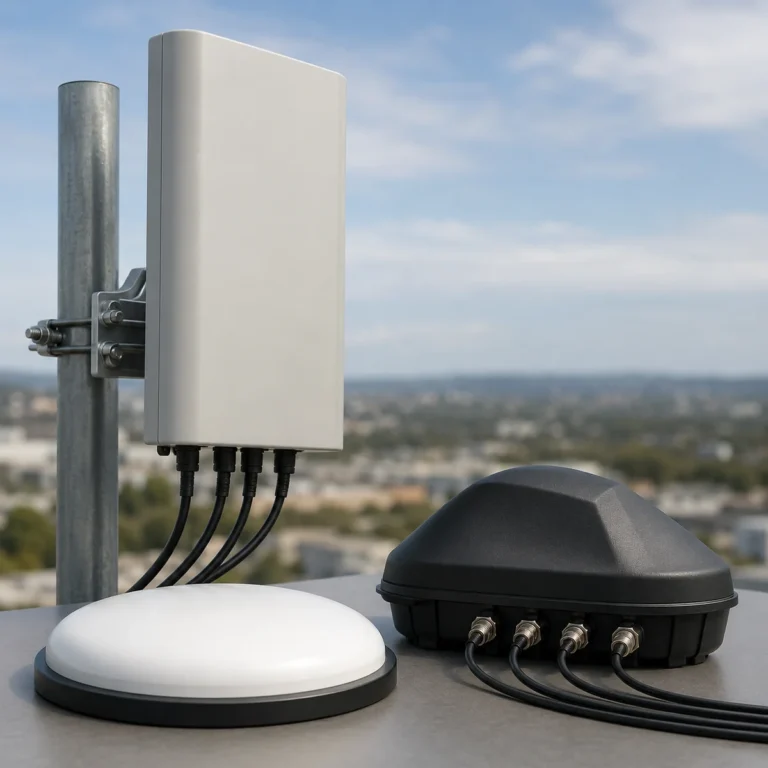
Choose the best 5G MIMO antenna for routers and CPE by 2x2 vs 4x4, omni vs directional coverage, carrier bands, cable loss and mounting constraints.
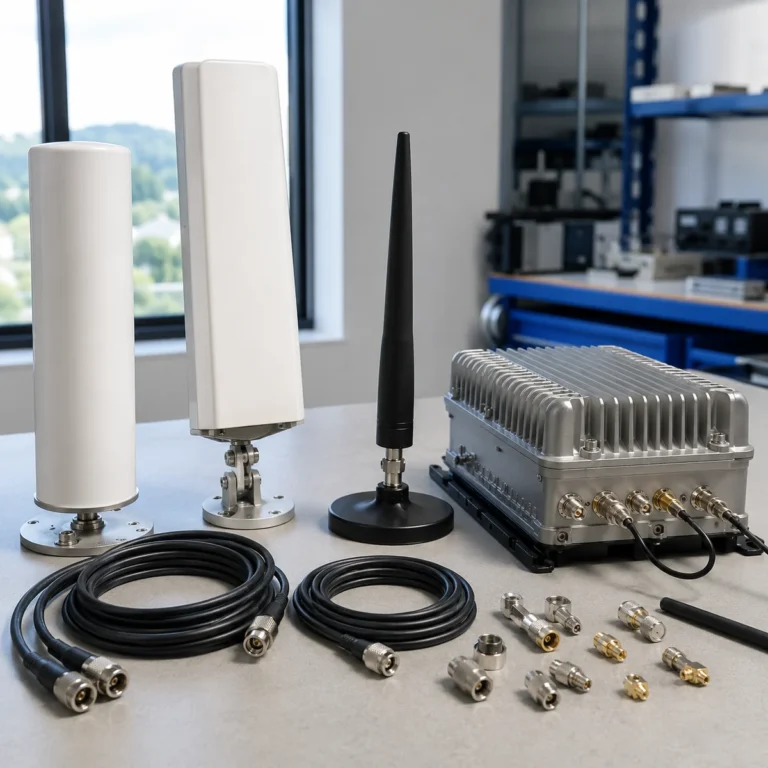
Choosing a 5G or LTE antenna for a home router? Match bands first, then pattern, MIMO ports, connector, and cable. A step-by-step selection guide with FAQ.

If you are new to patch antennas, the fastest way to understand them is to look at the structure. A patch antenna is a flat piece of metal (the patch) sitting above…

Patch antenna radiation pattern is the map of where an antenna really receives, and it is the fastest way to judge whether a GPS/GNSS antenna will still work once…

Patch antenna advantages and disadvantages only matter in the context of one question: does this antenna still work once it is inside the device you ship? A patch…

The RHCP vs LHCP patch antenna question is already answered by the published signal specifications: GPS, Galileo and BeiDou all require their satellites to transmit…

How to choose a patch antenna comes down to four decisions you can settle before you compare product photos: which bands the receiver actually uses, how much ground…

Patch antenna bandwidth tells you how much frequency range the antenna can cover while still meeting a defined performance requirement. The phrase sounds simple…

Patch antenna gain tells you how strongly a patch concentrates energy in one direction after its own losses are counted. It does not create RF power, and on its own…

Patch antenna design comes down to seven decisions: frequency band, patch size, substrate, ground plane, feed and matching, polarization, and everything that sits…

GPS antenna vs GNSS antenna is a search phrase that often reveals a terminology problem before it reveals a hardware problem. Many buyers use “GPS” as a general…

What is a panel antenna? A panel antenna is a directional antenna built into a flat, low-profile housing. It focuses radio energy forward into one sector — a yard…

Yagi or LPDA? Both are directional antennas, so the choice is rarely about "which points better" — it is about how wide a band you need behind that beam. A focused…

An LPDA antenna — short for log-periodic dipole array, and often just called a log periodic antenna — is a directional antenna built to work across a wide frequency…

Compare ceramic chip, PCB trace and FPC antennas by space, bandwidth, placement, integration work and validation needs before choosing an embedded antenna.

Engineers asking what is a ceramic antenna usually want one answer: will this tiny part still work once it sits inside my enclosure? Short answer. A ceramic antenna…

A lot of "weak signal" problems are not weak signal at all. They are polarization mismatch. The power is there and the band is right, but the receiving antenna is…

Compare omnidirectional and directional antennas by coverage, range, gain and installation. See which works best for LTE/5G, WiFi, LoRa and fixed links.
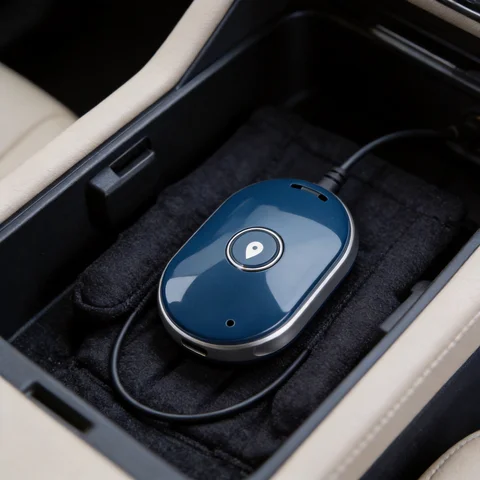
A practical guide to choosing GPS tracker antennas for IoT devices, vehicles and industrial assets, with product links for tracker, GNSS and magnetic-mount antenna…

Choosing a 5G IoT antenna comes down to three decisions: which 5G NR bands the network actually uses at your site, how many receive branches your radio module has…

A 5G mmWave antenna is an active phased array with the radio built into it, and that single fact decides almost every planning question you will face: how far the…

Outdoor 5G infrastructure subjects antennas to environmental stress that indoor equipment never encounters: wind, rain, thermal cycling, UV degradation, and ice…

Compare 5G small cells and DAS by coverage, capacity, multi-carrier support and deployment cost. Find the right architecture for your building or venue.

MIMO and beamforming in 5G solve two different problems, and mixing them up is the most expensive mistake we see on antenna specifications. MIMO adds capacity by…

See how a distributed antenna system works, compare passive, active and hybrid DAS, and learn what drives coverage, capacity and antenna design.

Antenna gain describes how strongly an antenna concentrates RF energy in a particular direction compared with an ideal reference. A higher-gain antenna does not…

Highlights from Global Sources Hong Kong 2026, including buyer questions on GPS/GNSS, LoRa, WiFi, MIMO and OEM/ODM antenna projects.

Rftech Technical Team explains Cellular and GNSS Antenna Integration for M2M Terminals, with RF antenna context, application notes, and links to related

Rftech Technical Team explains Industrial Terminal Antennas for Private LTE and Hazardous Areas, with RF antenna context, application notes, and links to
Rftech Technical Team explains External MIMO Antennas for LTE and 5G FWA Routers, with RF antenna context, application notes, and links to related wireless

Rftech Technical Team explains Public Safety Antennas for LMR and Mission-Critical Broadband, with RF antenna context, application notes, and links to
No articles match this filter. Try another cluster or clear the search.

Online · Always here to help