

Direct-to-cell connectivity from low-Earth-orbit (LEO) satellites is a step change for mobile communications. Rather than requiring specialised satellite phones, direct-to-cell systems beam 4G/5G broadband signals directly to ordinary smartphones. Achieving this capability demands extraordinarily large aperture antennas in space because handsets have tiny antennas and transmit at low power. A striking example is AST SpaceMobile’s BlueBird 6 satellite. Launched on 24 December 2025, BlueBird 6 deployed a phased array antenna measuring about 2 400 square feet (around 223 square metres) on 11 February 2026. According to industry analysis, this is the largest commercial communications array ever launched to low Earth orbit, enabling the satellite to link directly with unmodified phones despite the severe path loss between space and ground. Such large apertures underscore how unconventional antenna architectures are needed for direct-to-cell service.
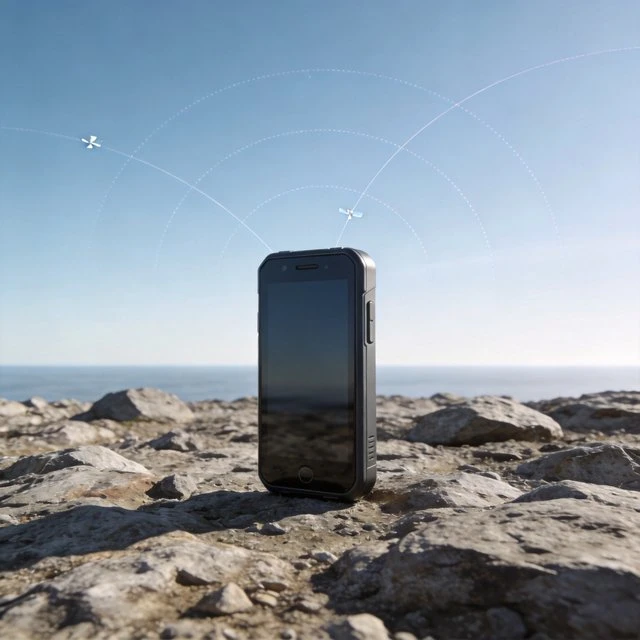
The antenna challenge extends beyond the satellites themselves. Smartphones and base stations must support new bands and dynamic beam management. Handsets will need antennas that can accommodate longer symbol durations and Doppler shifts associated with LEO satellites while remaining compatible with terrestrial networks. Base stations and core networks will coordinate spectrum sharing between terrestrial and satellite links. The interplay of these systems will be reflected in Release 20 study items, which examine non-terrestrial network integration, and subsequent Release 21 normative requirements. For antenna makers, direct-to-cell services open opportunities in deployable space-borne arrays, reconfigurable smartphone antennas, and ground gateway systems.
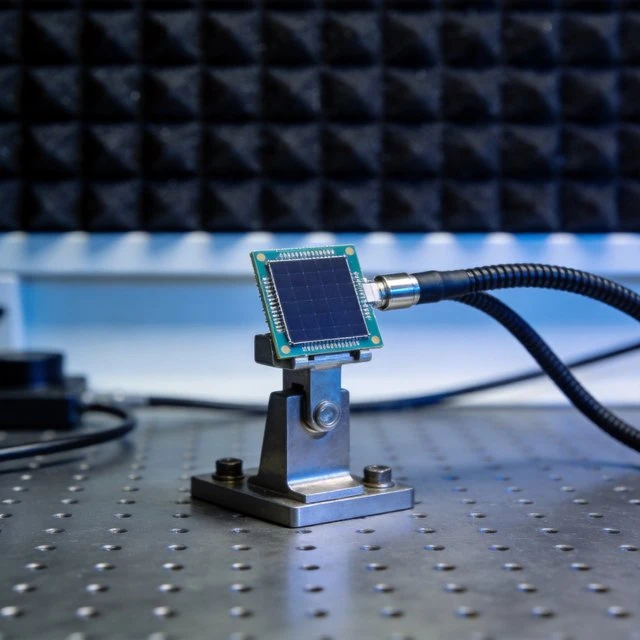
Antenna designers must also consider integration with terrestrial infrastructure. Direct-to-cell satellites will augment terrestrial coverage in rural and remote regions, requiring ground antennas that can track moving LEO satellites. Phased arrays with electronically steerable beams allow for rapid tracking, while true-time-delay units mitigate beam squint across the wide frequency range used by both terrestrial and satellite channels. On the user side, improved materials and packaging will make antennas compact enough to integrate into smartphones without compromising performance. As 3GPP standardisation advances, the satellite industry will align its waveforms and timing to ensure seamless hand-off between space and ground networks.
FAQ
What is satellite direct-to-cell connectivity?
Direct-to-cell systems use low-Earth-orbit satellites to beam 4G/5G broadband signals directly to ordinary, unmodified smartphones, rather than requiring specialised satellite phones.
Why does direct-to-cell require such large satellite antennas?
Handsets have tiny antennas and transmit at low power, so satellites need extraordinarily large apertures. AST SpaceMobile's BlueBird 6 deployed a phased array antenna of about 2,400 square feet (around 223 square metres), described as the largest commercial communications array launched to low Earth orbit.
What new demands does direct-to-cell place on handsets and ground systems?
Handset antennas must accommodate longer symbol durations and Doppler shifts associated with LEO satellites while remaining compatible with terrestrial networks, and ground systems need phased arrays with electronically steerable beams to track moving LEO satellites.
How does 3GPP standardisation address direct-to-cell?
Non-terrestrial network integration is examined in Release 20 study items, with subsequent Release 21 normative requirements, so the satellite industry will align its waveforms and timing to enable seamless hand-off between space and ground networks.
Cellular antenna fit
Need the right cellular antenna for your router, gateway or device?
Share the modem type, frequency bands, MIMO ports, mounting environment and cable length. We can recommend suitable 4G, 5G or MIMO antenna options.
References
- AST SpaceMobile: Next-Gen BlueBird satellite platform
- AST SpaceMobile completes unfolding of BlueBird 6
- FirstNet: 3GPP focuses on Release 20, 6G, and 5G-Advanced
- Qorvo: True time delay, what it is and how it works
Ready to specify a product?
Get product suggestions and quotation details for your application.
Share the modem type, frequency bands, MIMO ports, mounting environment and cable length. We can recommend suitable 4G, 5G or MIMO antenna options.