

Industrial terminals operate in RF-hostile environments: metal equipment, dense cabling, reflective multipath, and significant electromagnetic noise from motors and power electronics. Antenna selection and placement must balance radio performance with plant constraints-mounting to metal, ingress protection, long-term stability, and sometimes intrinsically safe or explosion-protected design. For process automation, WirelessHART is standardized as IEC 62591; the IEC webstore description indicates that IEC 62591 specifies a wireless communication network with defined layers (physical, data link, application), network management, and security, providing a standardized basis for interoperable industrial wireless. A system engineering guideline for IEC 62591 “WirelessHART” emphasizes network planning parameters such as network IDs and update rate impacts on battery life, highlighting that terminal antenna performance (link margin) interacts directly with battery budget and reliability targets. In parallel, the ISA publishes ISA100.11a as a secure wireless standard for industrial automation and process control applications, targeting reliable low-power field devices with interference resistance and security. Many industrial sites also deploy private cellular for mobility, determinism, and coverage. In shared-spectrum models such as CBRS in the U.S., FCC documents describe that the service and technical rules governing the 3.5 GHz band are adopted as Part 96, and industry deployment guides emphasize registration and installer roles (e.g., Certified Professional Installer requirements for certain CBRS devices).
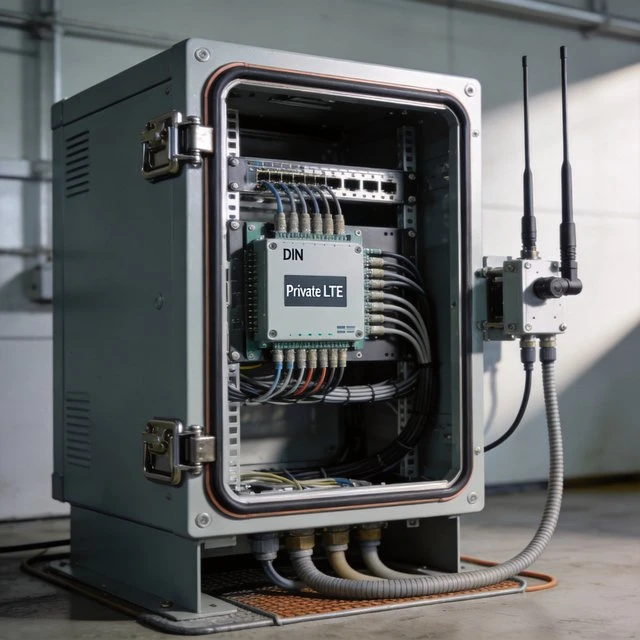
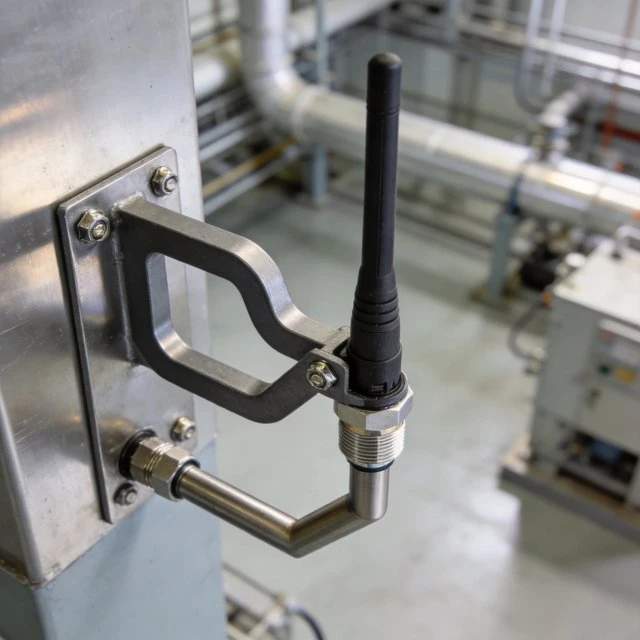
For the industrial terminal antenna, this often implies ruggedized, externally mounted antennas (to escape metal enclosures) and careful siting to avoid self-blockage by equipment. Hazardous locations add another constraint layer. IEC 60079-0 specifies general requirements for construction, testing, and marking of Ex equipment intended for explosive atmospheres, pushing designers toward certified enclosures and carefully controlled external antenna penetrations or certified antenna assemblies. Even when the radio is low power, the mechanical and certification constraints can dominate the antenna decision: for example, selecting externally mounted antennas with certified gland fittings vs. internally mounted antennas inside certified housings. Across these industrial wireless modalities, the repeating success pattern is: maximize antenna efficiency by escaping metal shielding, provide robust mechanical strain relief and sealing, and validate coexistence (2.4 GHz industrial meshes vs Wi-Fi; cellular private networks vs local emitters). The consequence is that “antenna deployment” is often a plant engineering task, not solely an RF design task
Target Audience
- Industrial IoT engineers
- plant network architects
- system integrators
- hazardous-area compliance teams
Key Technical Points
- IEC 62591 WirelessHART and ISA100.11a standardization drives interoperable low-power field networks
- CBRS/Part 96 shared spectrum introduces deployment/registration constraints
- hazardous-location rules (IEC 60079-0) can dominate mechanical antenna choices
Practical Use Cases
- Wireless field instrumentation
- process monitoring
- private LTE mobility for operators/AGVs
- remote telemetry in refineries and chemical plants
- brownfield retrofit sensors
Relevant Standards and Protocols
- IEC 62591 (WirelessHART)
- ANSI/ISA-100.11a
- FCC Part 96 (CBRS deployments)
- IEC 60079-0 (Ex equipment general requirements)
Typical Hardware Examples
- Emerson WirelessHART system engineering guideline (deployment-oriented reference)
- OnGo Private LTE deployment guide (CBRS deployment processes)
Deployment Considerations
- Mount antennas outside metal enclosures or provide RF windows
- plan for cable routing and sealing
- use field-tunable matching only where maintenance access exists
- validate coexistence across industrial radios
- align hazardous-area certification constraints before freezing antenna architecture
Related reading: if your facility needs building-wide in-building distribution in addition to terminal-side optimization, see our distributed antenna system (DAS) guide.
Interference environment
Need an antenna matched to a high-interference project?
Tell us the frequency range, installation space and interference scenario. We can suggest suitable anti-jamming or specialty antenna options.
FAQ
Why are industrial environments so challenging for terminal antennas?
They are RF-hostile, with metal equipment, dense cabling, reflective multipath, and significant electromagnetic noise from motors and power electronics. Antenna selection and placement must balance radio performance with plant constraints.
Which standards govern industrial wireless field networks?
WirelessHART is standardized as IEC 62591, which defines layers, network management, and security for interoperable industrial wireless, and the ISA publishes ISA100.11a as a secure wireless standard for industrial automation and process control.
What rules apply to private cellular in shared spectrum?
In the United States, the service and technical rules for the 3.5 GHz CBRS band are adopted as FCC Part 96, and deployment guides emphasize registration and installer roles such as Certified Professional Installer requirements for certain devices.
How do hazardous-area requirements affect antenna choice?
IEC 60079-0 specifies general requirements for construction, testing, and marking of Ex equipment for explosive atmospheres, pushing designers toward certified enclosures and controlled external antenna penetrations. These mechanical and certification constraints can dominate the antenna decision.
Related: selecting antennas for a private-LTE router or gateway? See how to choose a router or gateway antenna.
Ready to specify a product?
Get product suggestions and quotation details for your application.
Tell us the frequency range, installation space and interference scenario. We can suggest suitable anti-jamming or specialty antenna options.


