
Rubber duck antenna manufacturer and supplier
Rubber Duck Antennas for RF, IoT & Wireless Devices
Compare 27 compact rubber duck antenna models for 433 MHz, 868 MHz, cellular, 2.4 GHz and 5 GHz devices. Current options include straight and right-angle bodies with SMA, RP-SMA, TS9, N-type and model-specific connector configurations.
Start with the exact radio band, then check connector gender, antenna orientation, gain, enclosure clearance and whether the device will be fixed or handheld. Send those details before sampling so the antenna can be checked against the complete RF system.
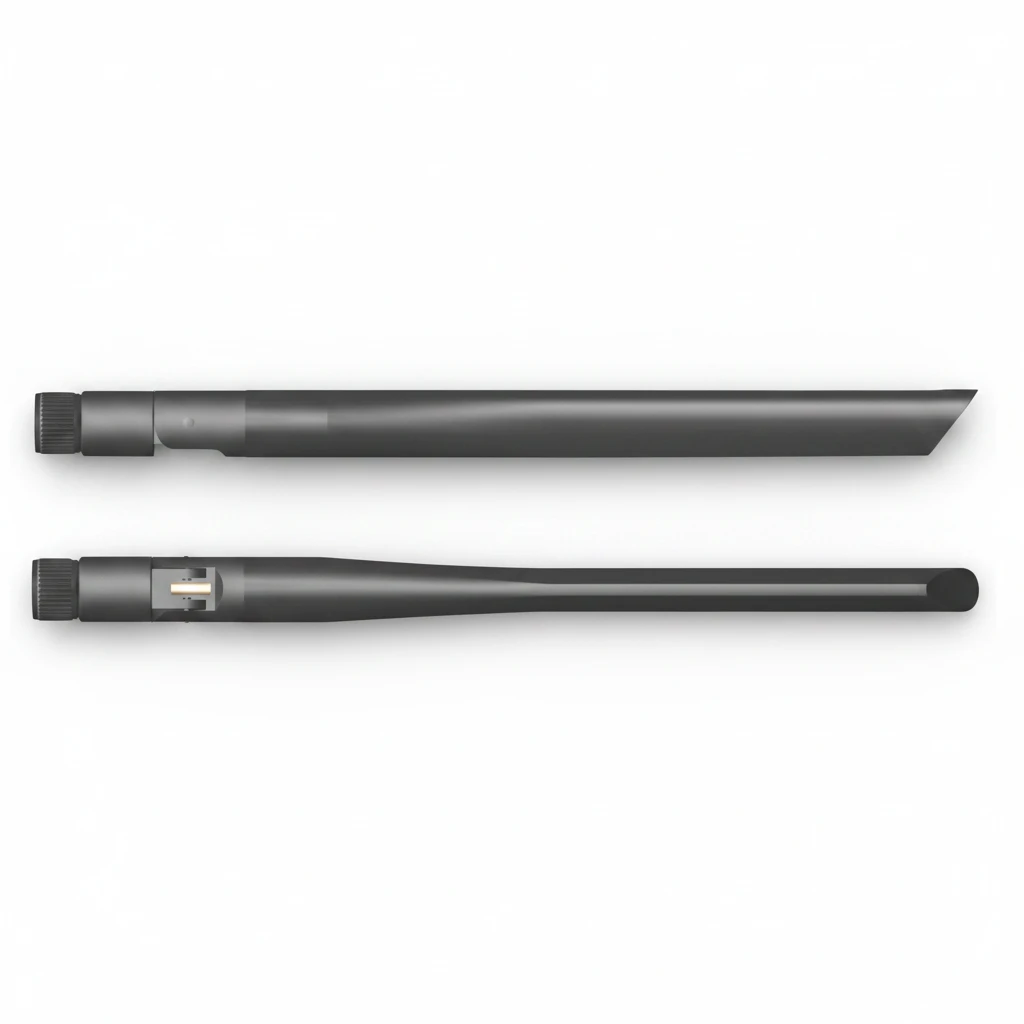
Rubber Duck Antenna Model Selection
The models below come from current Global RF Tech product records. Use frequency as the first filter. Gain and connector details are useful only after the antenna band matches the radio. Open the product page for full available specifications and confirm the final configuration before ordering samples.
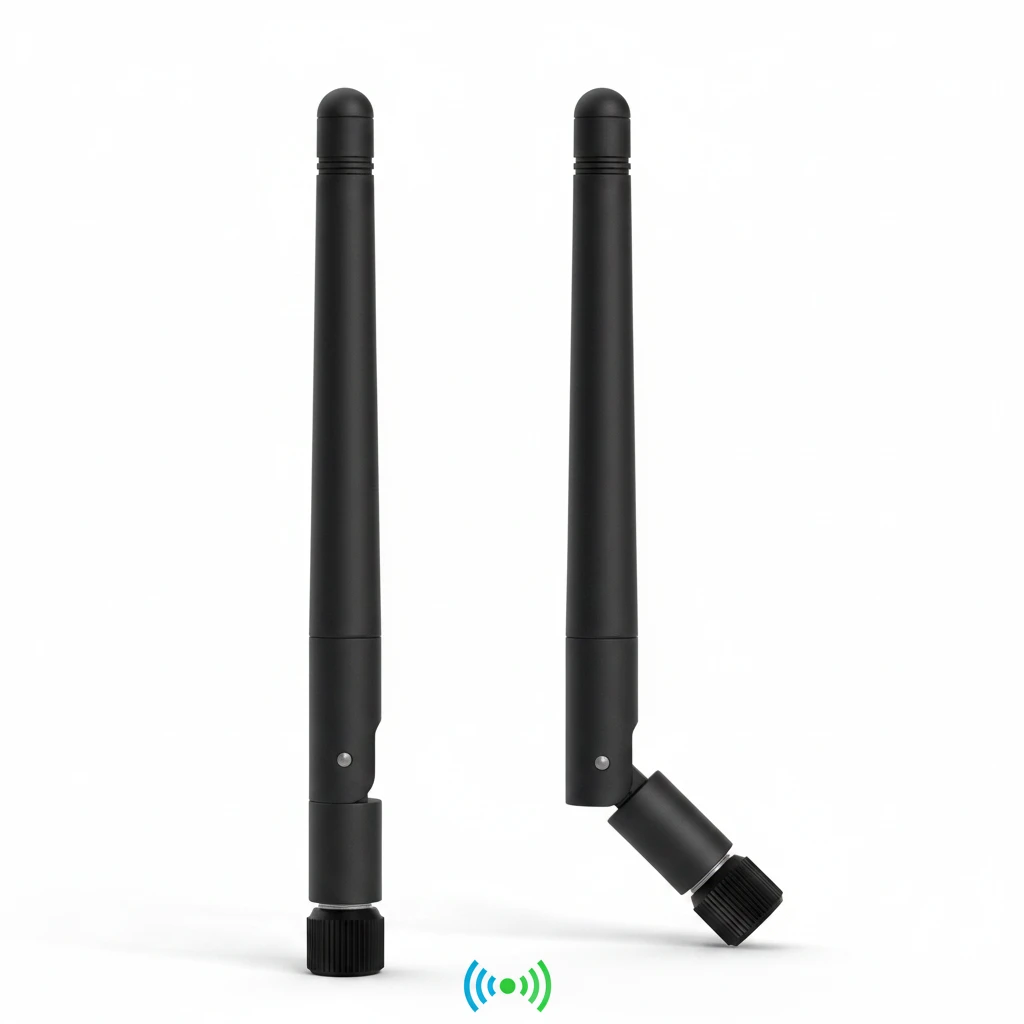
Compact options for 433 MHz ISM, telemetry and device-level RF projects.
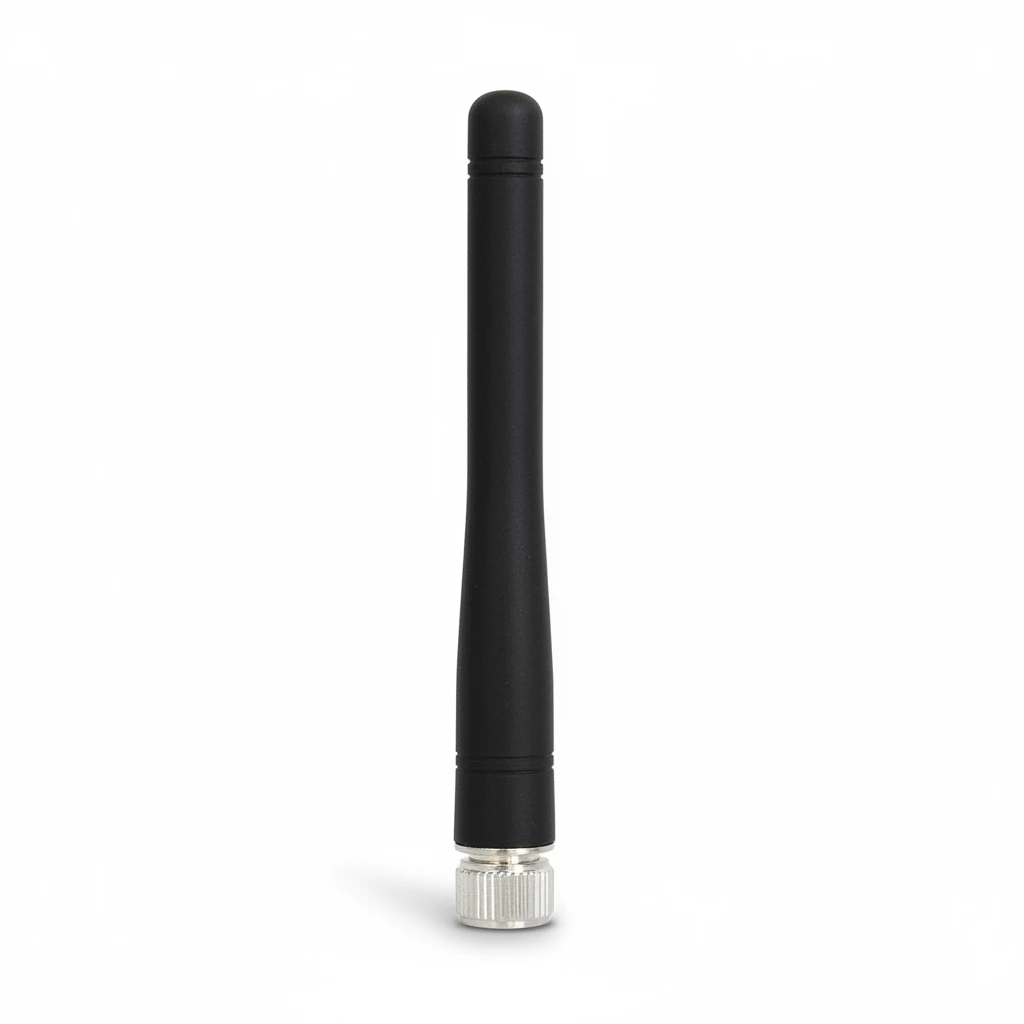
Models for 868 MHz LoRa, LPWAN, telemetry and gateway applications.
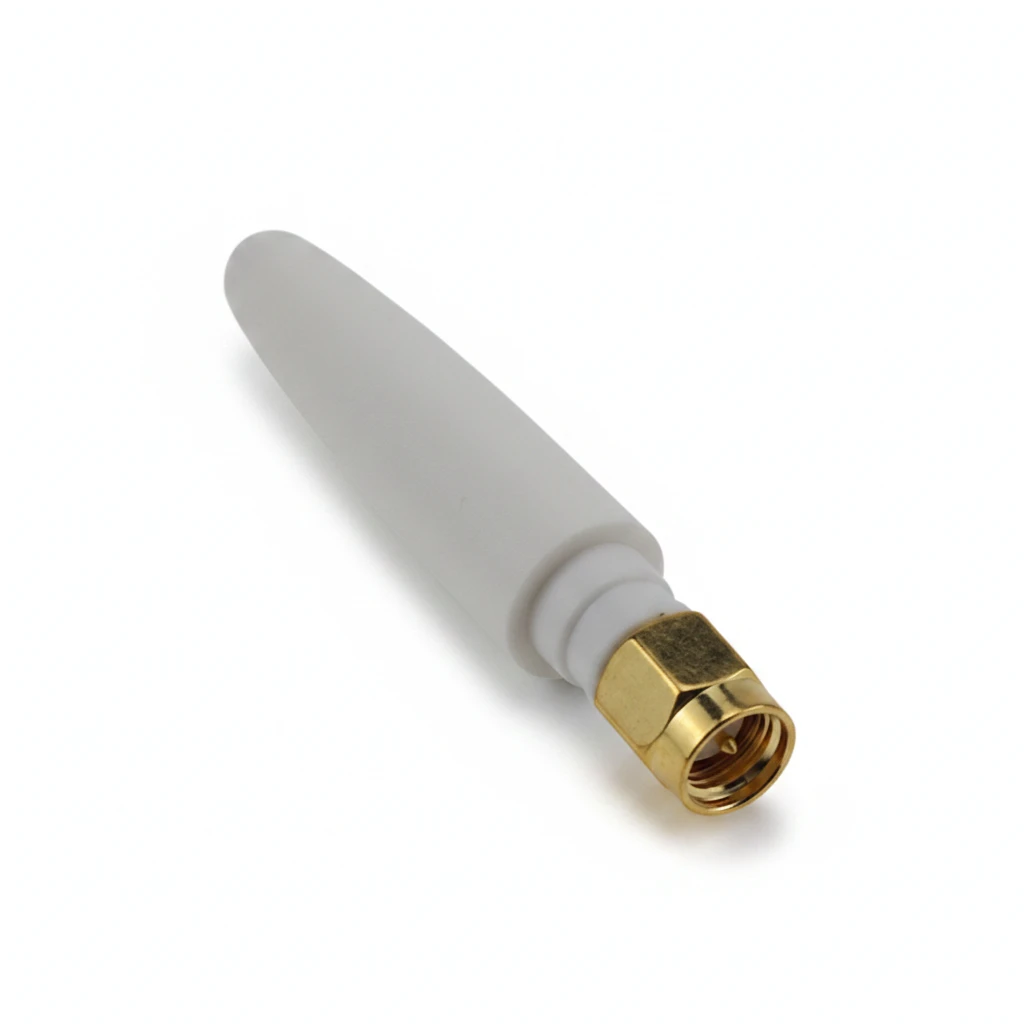
Wideband and multiband options for cellular routers, modems and terminals.
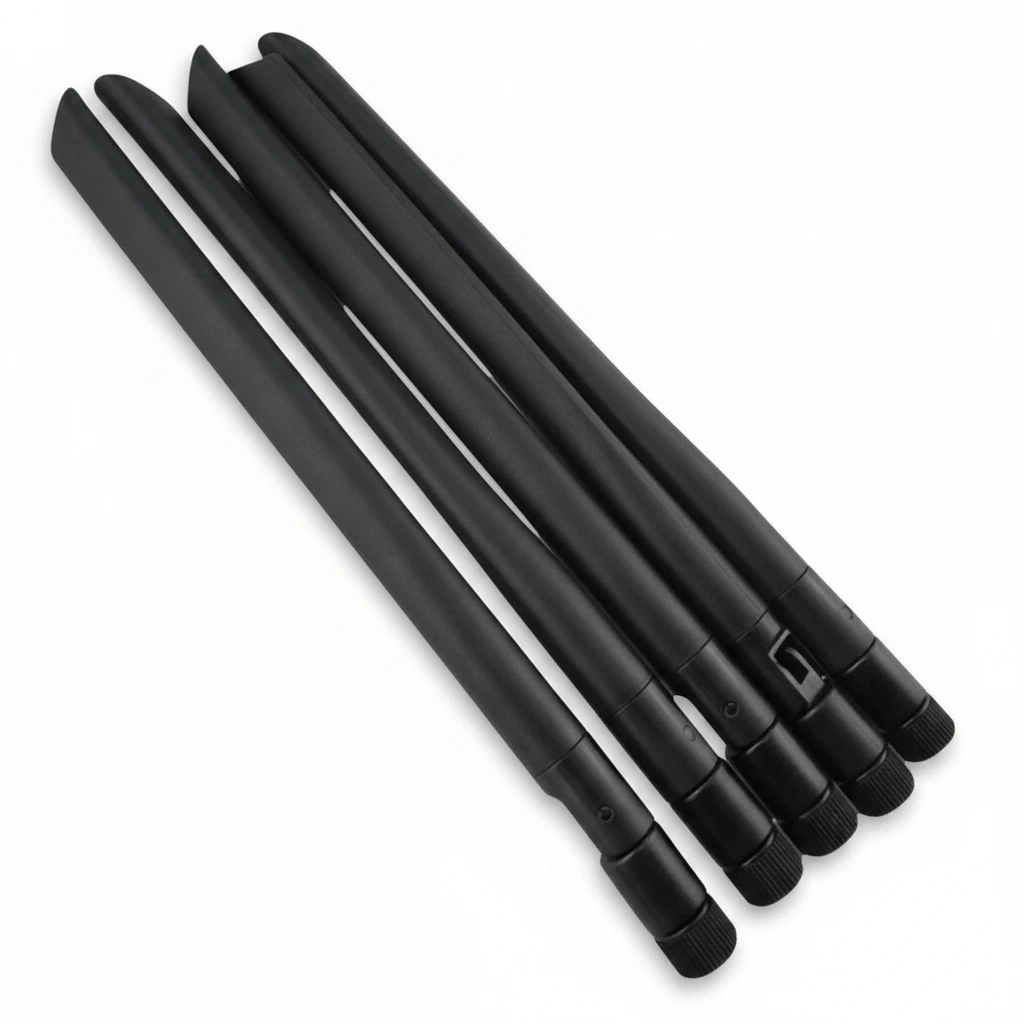
SMA and RP-SMA configurations for 2.4 GHz wireless and device integrations.
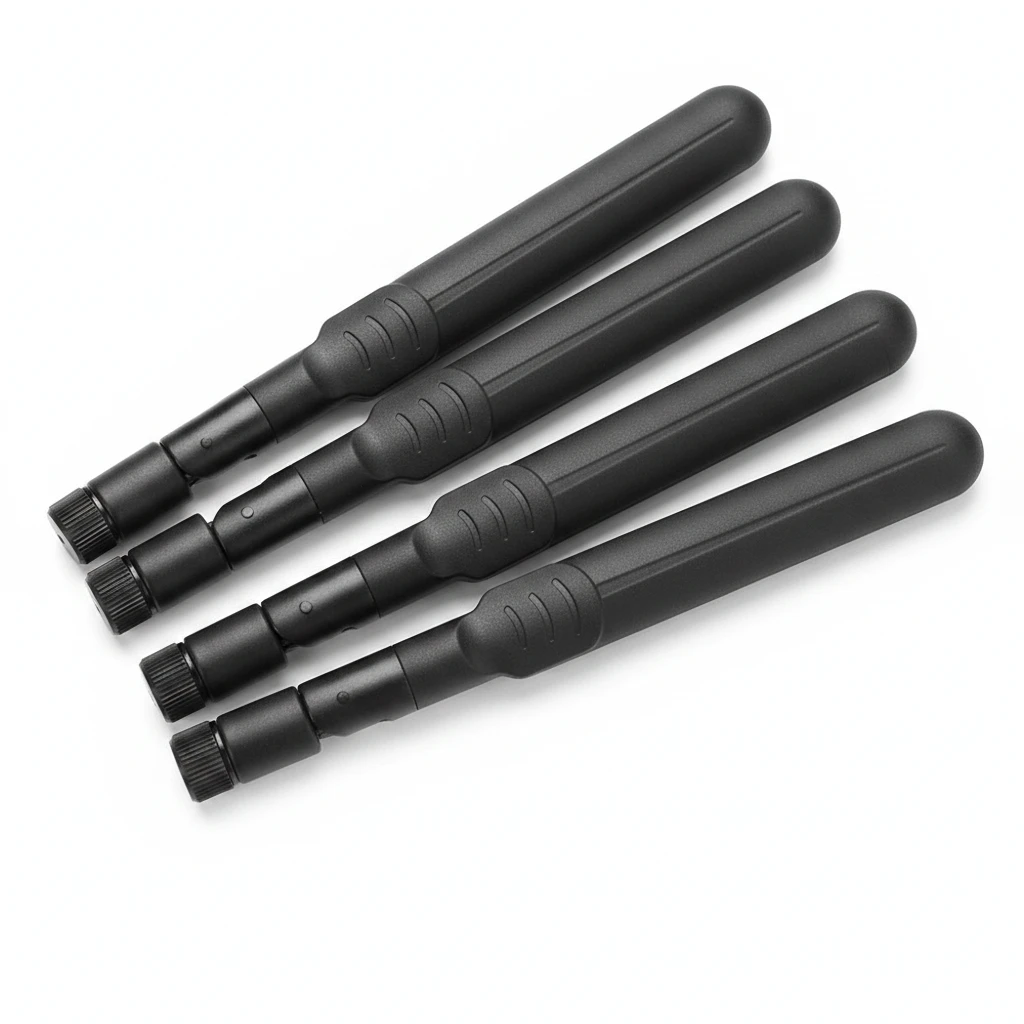
Compact antenna choices for 5 GHz and 5.8 GHz wireless bands.
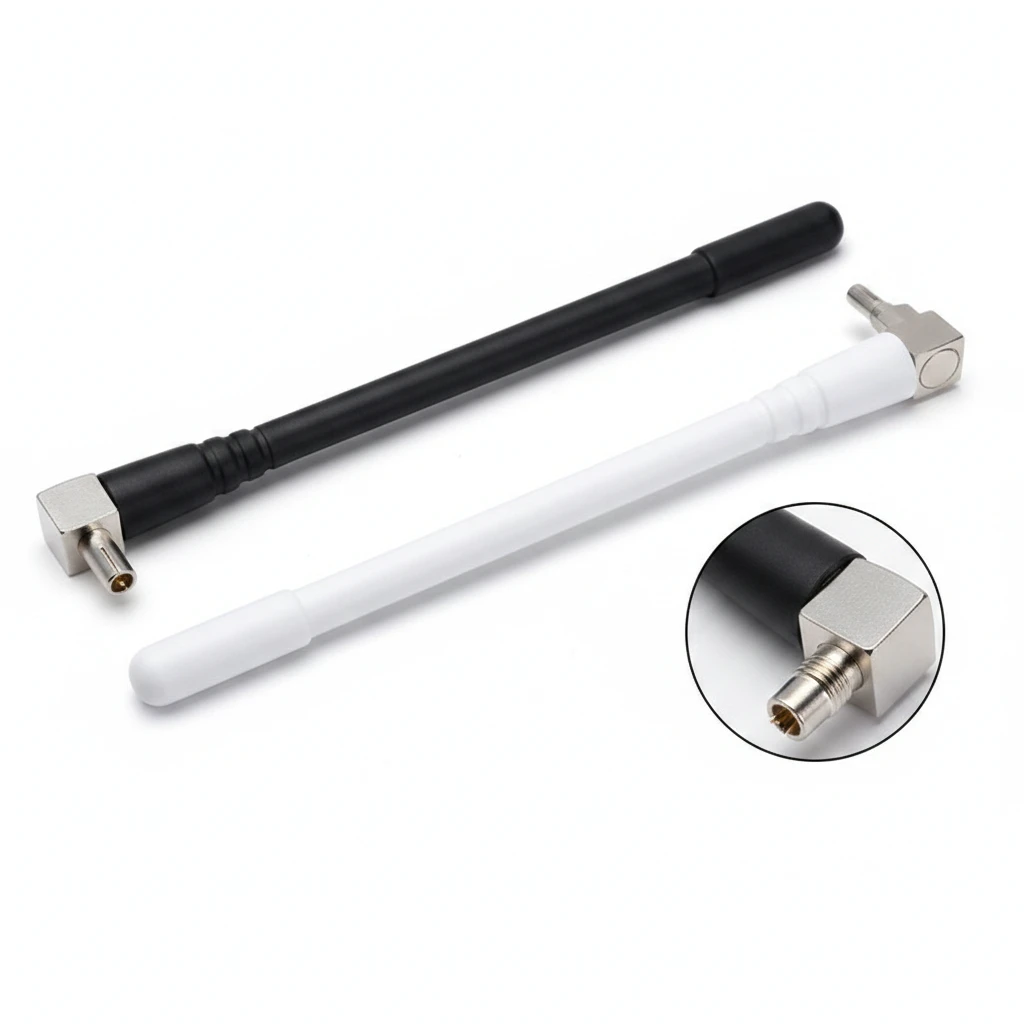
Compare SMA, RP-SMA, right-angle SMA, TS9 and other model-specific interfaces.
| Model | Frequency | Listed gain | Connector | Useful starting point | Product |
|---|---|---|---|---|---|
| GL-DY402 | 433 MHz | 2.5 dBi | SMA male | 433 MHz compact terminals | View model |
| GL-DY4021 | 433 MHz | 2.5 dBi | SMA male | 433 MHz devices needing a 108.5 mm body | View model |
| GL-DY403-433 | 433 MHz | 2.5 dBi | SMA male | Short 433 MHz device antenna | View model |
| GL-DY403-868 | 868 MHz | 2.5 dBi | SMA male | Compact 868 MHz IoT devices | View model |
| GL-DY408 | 868 MHz | 2.5 dBi | SMA male | 868 MHz gateways and terminals | View model |
| GL-DY415 | 868 MHz | 2.5 dBi | SMA male | 868 MHz LoRa and LPWAN devices | View model |
| GL-DY416 | 868 MHz | 2.5 dBi | SMA right-angle male | 868 MHz devices with side clearance limits | View model |
| GL-DYG1303-868 | 868 MHz | 1 dBi | Confirm configuration | Low-gain compact 868 MHz projects | View model |
| GL-DY403-4G | 700-2700 MHz | 2.5 dBi | SMA male | Cellular routers and terminals | View model |
| GL-DY409 | 700-2700 MHz | 5 dBi | RP-SMA male | Wideband device projects needing listed 5 dBi gain | View model |
| GL-DY410 | 790-960 / 1710-2700 MHz | 2.5 dBi | SMA male | Dual-band cellular terminals | View model |
| GL-DY410L | 698-960 / 1710-2690 MHz | 3 dBi typ. | SMA male | Wideband cellular routers and gateways | View model |
| GL-DY411 | 704-960 / 1710-2700 MHz | 2.5 dBi | SMA male | Cellular modems and wireless terminals | View model |
| GL-DY412 | 900 / 1800 MHz | 2.5 dBi | SMA male | 900/1800 MHz device integration | View model |
| GL-DY413 | 890-960 / 1710-1990 MHz | 2.5 dBi | SMA male | Compact dual-band cellular devices | View model |
| GL-DY416S | 698-2700 MHz | 3.2 dBi | SMA right-angle male | Wideband devices needing a right-angle interface | View model |
| GL-DY418 | 824-960 MHz | 3 dBi | SMA-J | Lower cellular-band terminals | View model |
| GL-DY431 | 698-960 / 1710-2700 MHz | 5 dBi | SMA male | Wideband cellular projects needing listed 5 dBi gain | View model |
| GL-DY439 | 698-960 / 1710-2700 MHz | 3 dBi | SMA male | Cellular gateways and terminals | View model |
| GL-DY462 | 698-2700 MHz | 3 dBi | SMA male | Wideband cellular device projects | View model |
| GL-DY463 | 698-2700 MHz | 3 dBi | TS9 male | Cellular devices using a TS9 interface | View model |
| GL-DYG405 | 824-960 / 1710-2170 MHz | 2 dBi | SMA | Dual-band cellular terminals | View model |
| GL-DYG406 | 824-960 / 1710-2170 MHz | 2 dBi | SMA right-angle male | Dual-band devices needing side-entry mounting | View model |
| GL-DY402S | 2400-2500 MHz | 2.5 dBi | SMA female | 2.4 GHz wireless devices | View model |
| GL-DY465 | 2400-2500 MHz | 3 dBi | RP-SMA male | 2.4 GHz devices using RP-SMA | View model |
| GL-DY4091 | 5150-5825 MHz | 5 dBi | SMA male | 5 GHz wireless devices | View model |
| GL-DY435 | 5850-5950 MHz | 5 dBi | N male | 5.8 GHz device or terminal projects | View model |
Public product records vary in detail. Confirm exact frequency coverage, VSWR, connector gender, body orientation, dimensions and environmental limits on the current datasheet before production approval.
Choose by Frequency and Device
433 MHz rubber duck antennas
Use the 433 MHz group for compatible ISM, telemetry and remote-control radios. Check the exact channel plan and regional requirements, then match SMA gender and available enclosure clearance.
868 MHz LoRa and LPWAN antennas
The 868 MHz models suit compatible LoRa, LPWAN and industrial IoT devices. For a broader LoRa product comparison, see our LoRa antenna range.
Cellular rubber duck antennas
Cellular models cover different combinations of 698-960 MHz and 1710-2700 MHz bands. Confirm all modem bands instead of selecting from a single center frequency. See more 4G LTE antenna options.
2.4 GHz and 5 GHz antennas
For Wi-Fi-band or private wireless devices, confirm whether the radio uses 2.4 GHz, 5 GHz or both. A single-band model should not be treated as dual-band without datasheet evidence.
How to Select a Rubber Duck Antenna
- Confirm every operating band. The antenna must cover the radio bands used in the target market and device configuration.
- Match connector type and gender. SMA and RP-SMA are different interfaces; right-angle bodies and TS9 options also affect mechanical fit.
- Check orientation and clearance. Make sure the antenna can rotate or hinge without hitting the enclosure, cable or nearby hardware.
- Review gain in the real installation. A larger listed gain is not automatically better when the device is handheld, close to the body or installed near metal.
- Confirm dimensions and environment. Check total length, body diameter, operating temperature and any required indoor or outdoor rating.
- Validate a sample on the final device. Test return loss, efficiency, radiation performance and link quality with the production enclosure and radio settings.
OEM Rubber Duck Antenna Support
For OEM, ODM and batch projects, send the radio bands, device model, connector, available antenna clearance, enclosure material, required orientation, target quantity and test standard. Global RF Tech can compare existing models and review whether a connector, housing or frequency adjustment is practical.
The fastest way to avoid a wrong sample is to provide the radio datasheet and a mechanical drawing of the installation area. If the antenna will be used on a router or modem, include every enabled cellular or wireless band.
Rubber Duck Antenna FAQ
What is a rubber duck antenna?
A rubber duck antenna is a compact external antenna covered by a flexible or rigid protective housing. It connects directly to a radio, router, gateway, modem or other wireless device and is commonly used when a compact removable antenna is preferred.
How do I choose the correct frequency?
Match the antenna operating range to every radio band the device will use. A 433 MHz antenna cannot replace an 868 MHz or cellular antenna simply because the connector fits.
What is the difference between SMA and RP-SMA?
SMA and RP-SMA use different center-contact arrangements. Confirm both the connector family and gender on the device before choosing the antenna.
Is a higher-gain rubber duck antenna always better?
No. Higher listed gain can change the radiation pattern and physical size. Device orientation, nearby metal, the enclosure and how the product is held can matter as much as the nominal gain value.
Can one antenna cover cellular, Wi-Fi and LoRa?
Only if the documented frequency range covers all required bands and the device integration is validated. Most models on this page are intended for a defined band or band group, so do not assume multi-radio coverage from the antenna shape alone.
Can Global RF Tech customize a rubber duck antenna?
Global RF Tech can review frequency, connector, orientation, housing and mechanical requirements for OEM projects. Send the radio bands, device drawing, connector and expected quantity for an engineering review.
Need help matching an antenna to your device?
Send the radio bands, connector, enclosure drawing, installation orientation and sample quantity. We will compare suitable rubber duck antenna models for your project.
