
LoRa & LoRaWAN Antennas · 868 / 915 MHz
LoRa & LoRaWAN Antennas
LoRa antennas for the 863-870 MHz (EU868) and 902-928 MHz (US915) bands, covering every form factor an LPWAN deployment needs: rubber duck and flexible whips for end nodes, fiberglass omnis for outdoor gateways, PCB and ceramic antennas for embedded designs, and magnetic or screw-mount options for meters and trackers. Every antenna is tuned and VSWR-tested for its stated band.
LoRa antenna types
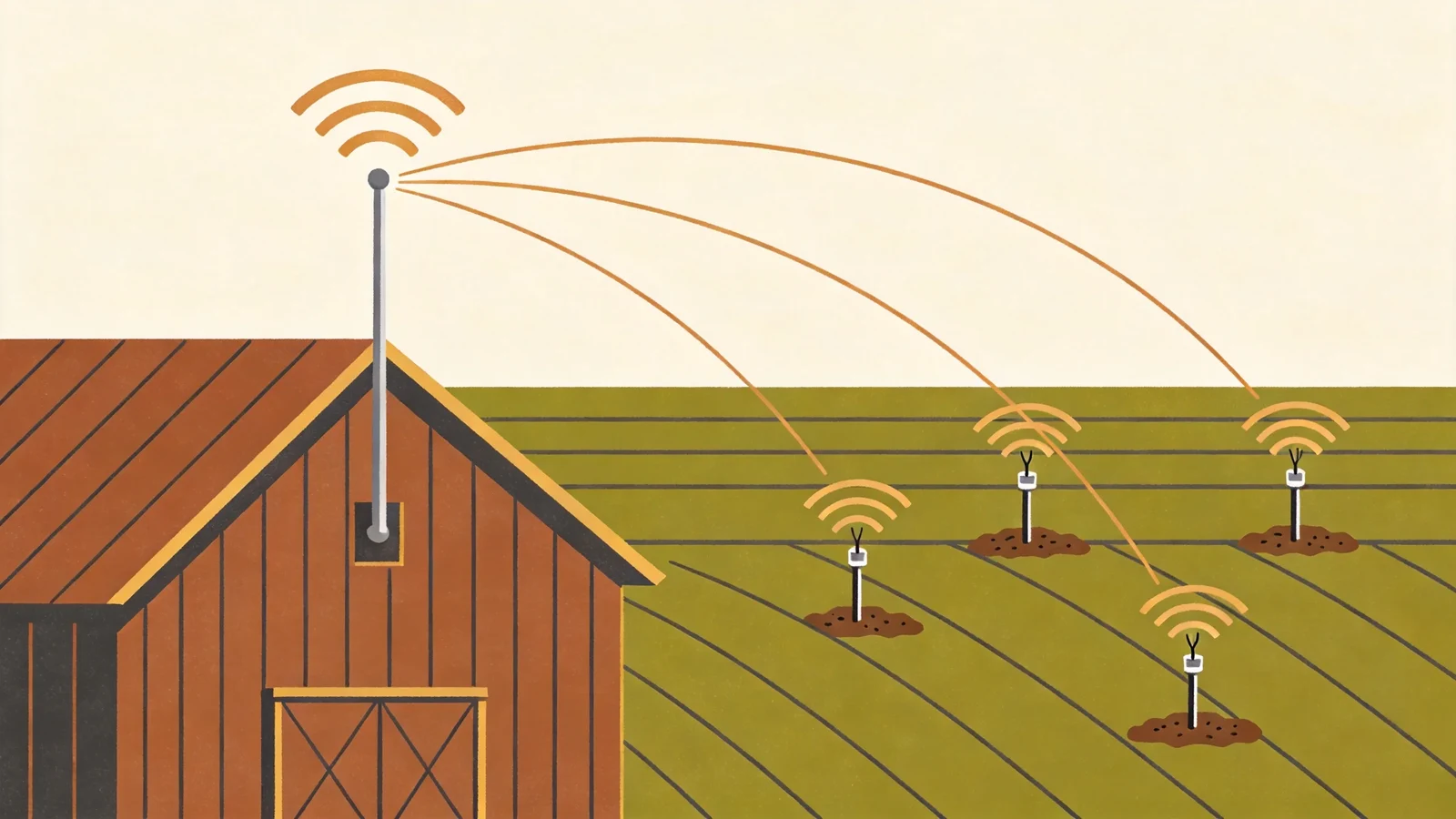
An LPWAN network uses two antenna roles. Gateway antennas — usually elevated fiberglass omnis — serve hundreds of nodes scattered in every direction. Node antennas — rubber duck, embedded PCB, ceramic or magnetic-mount — live on the sensors and meters themselves, where enclosure and ground plane decide real performance. We manufacture both sides for integrators, device makers and network operators.
LoRa antenna selection
Need a LoRa antenna matched to your range target?
Send us the band, gateway or node type, mounting environment and range target. We can recommend LoRaWAN antenna options for your deployment.
Featured LoRa antennas
Gateway omnis, node whips and embedded elements — every model is available with OEM/ODM band, connector and mounting options.
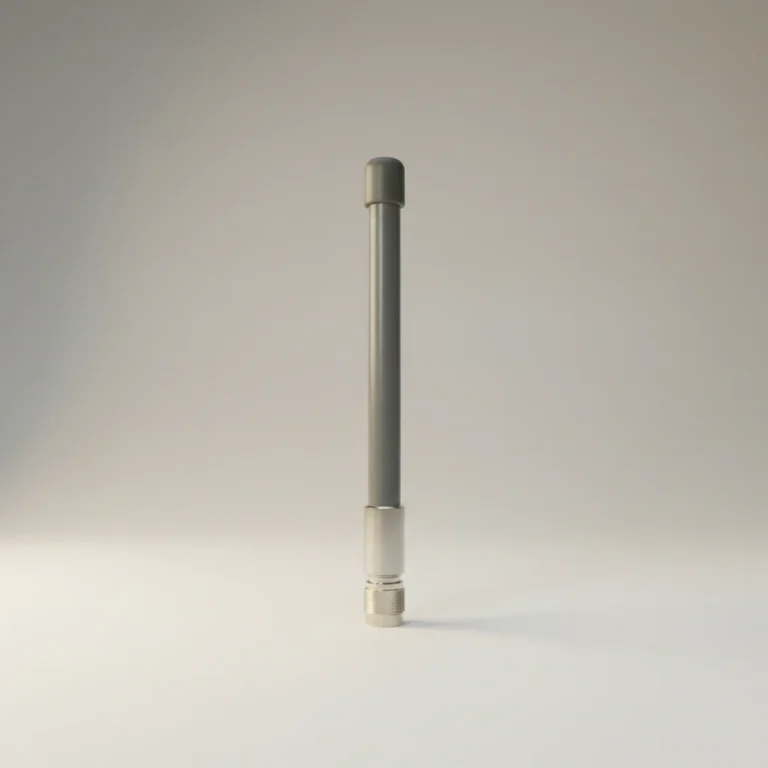
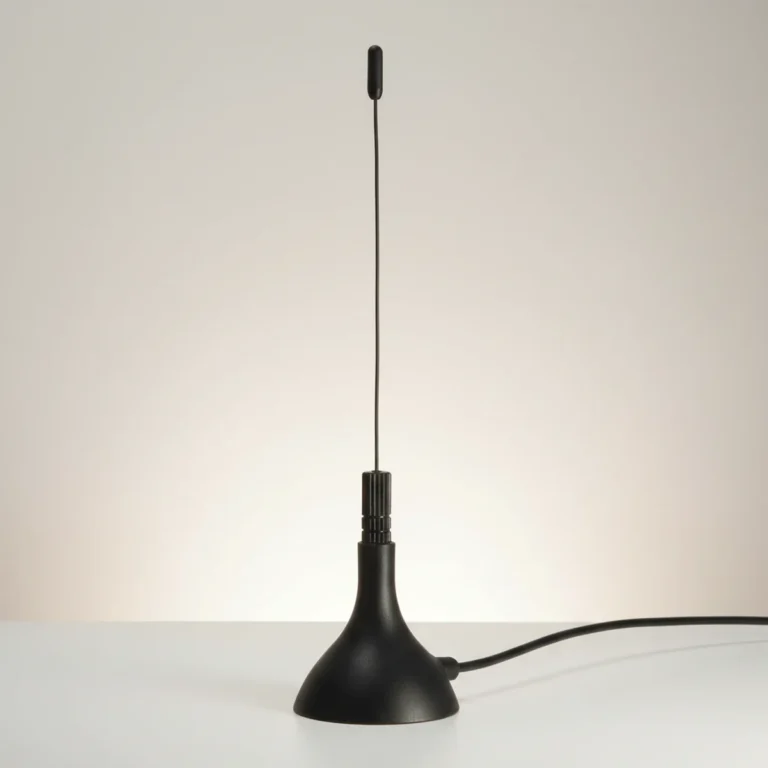
GL868915
- Frequency 868-915 MHz
- Type Fiberglass omni
- Connector SMA male
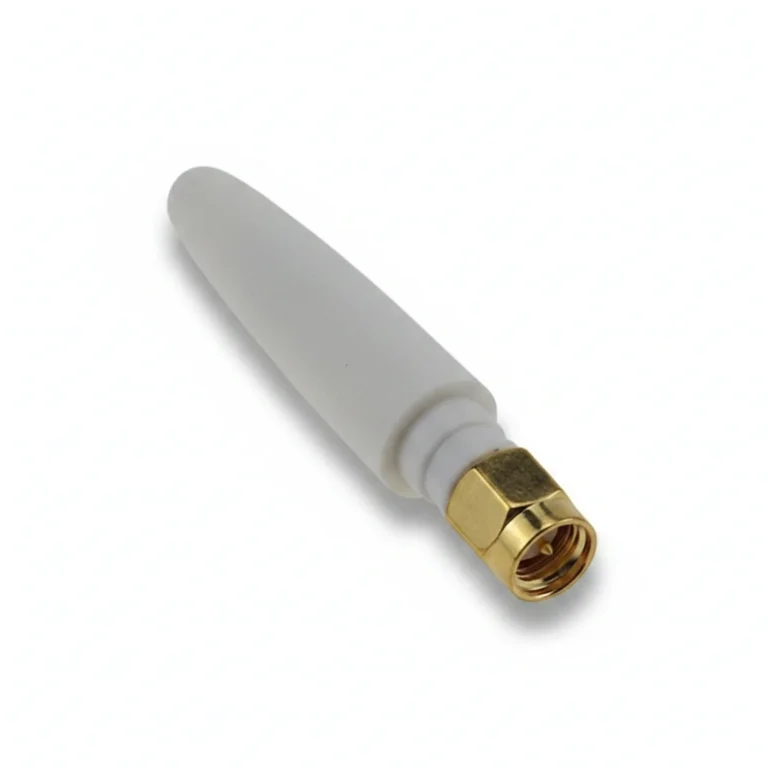
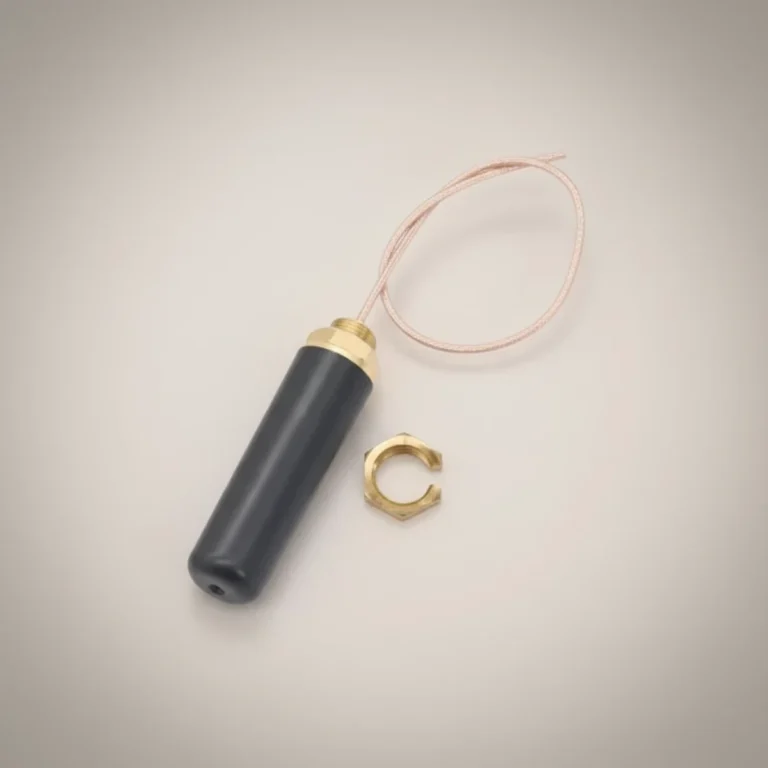
GL8682
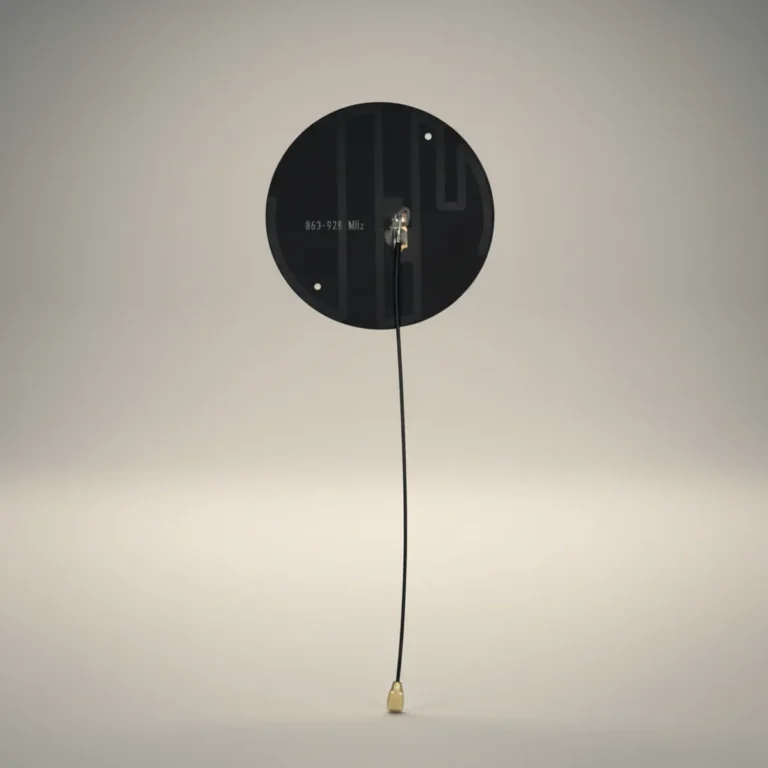
- Frequency 863-928 MHz
- Type Flexible PCB
- Connector u.FL · adhesive
Specification comparison
Match the band and role first, then form factor and connector. Full datasheets, VSWR plots and mounting details are on each product page.
| Model | Role | Frequency | Type | Connector / Mount |
|---|---|---|---|---|
| GL868915 | Gateway omni | 868-915 MHz | Fiberglass | SMA male |
| GLF86803 | Gateway omni | 868 ±10 MHz | Fiberglass · 3 dBi | Pole mount |
| GL-DY403-868 | Node | 868 MHz | Rubber duck · 2.5 dBi | Connector mount |
| GLF868V10 | Gateway omni | 868 ±10 MHz | Fiberglass · 10 dBi | Pole mount · SMA male |
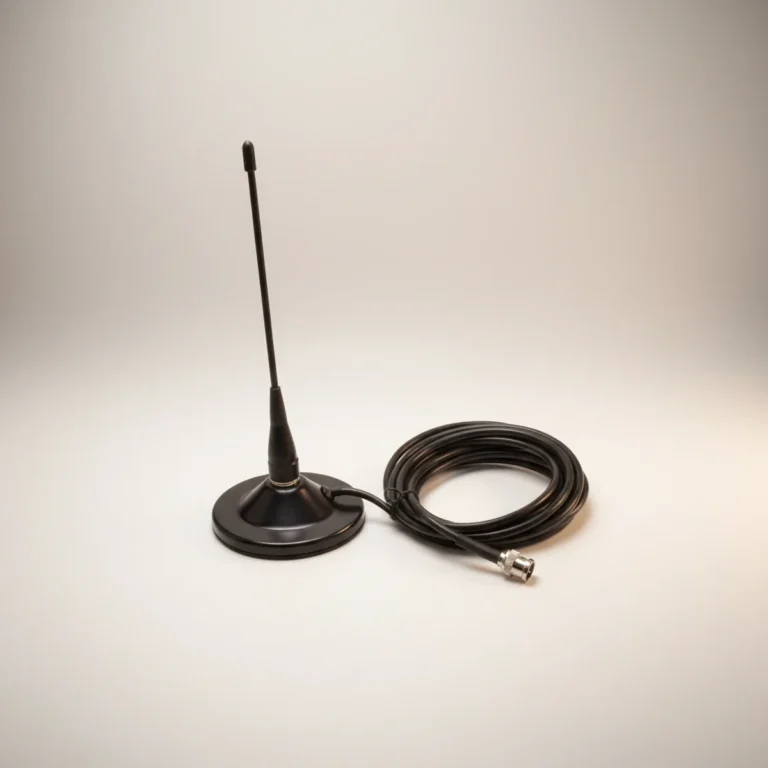
| GL089-868 | Meter / vehicle | 868 MHz | Magnetic · 3 dBi | BNC · 3 m cable |
| GL8681 | Meter / vehicle | 863-870 MHz | Magnetic monopole | SMA male |
| GL8682 | Embedded | 863-928 MHz | Flexible PCB | u.FL · adhesive |
| GL868S25 | Embedded | 868 ±3 MHz | Ceramic SMD | Solder / multi |
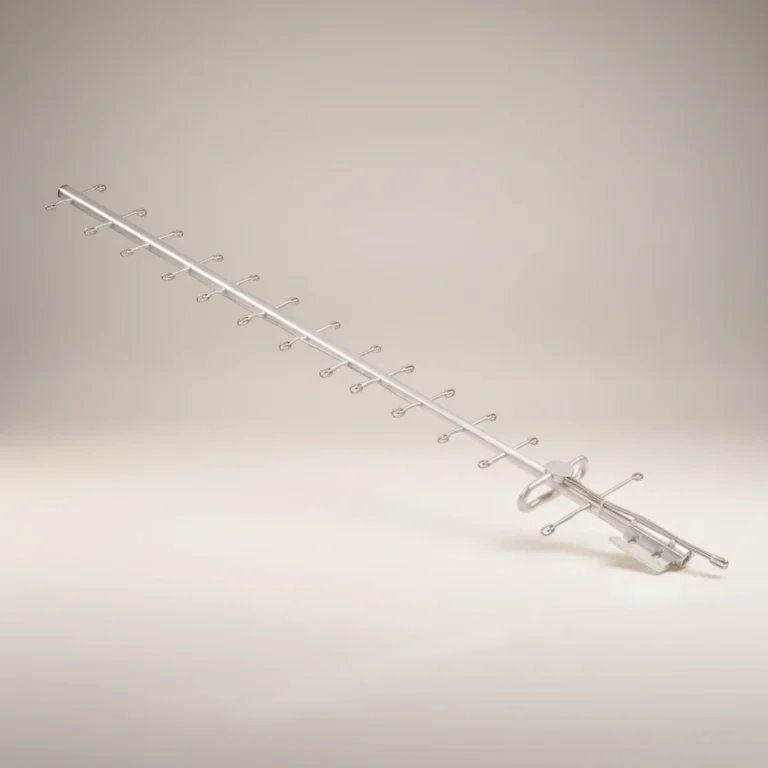
| GL868V-14 | Point-to-point | 820-890 MHz | Yagi · 14 dBi | N female |
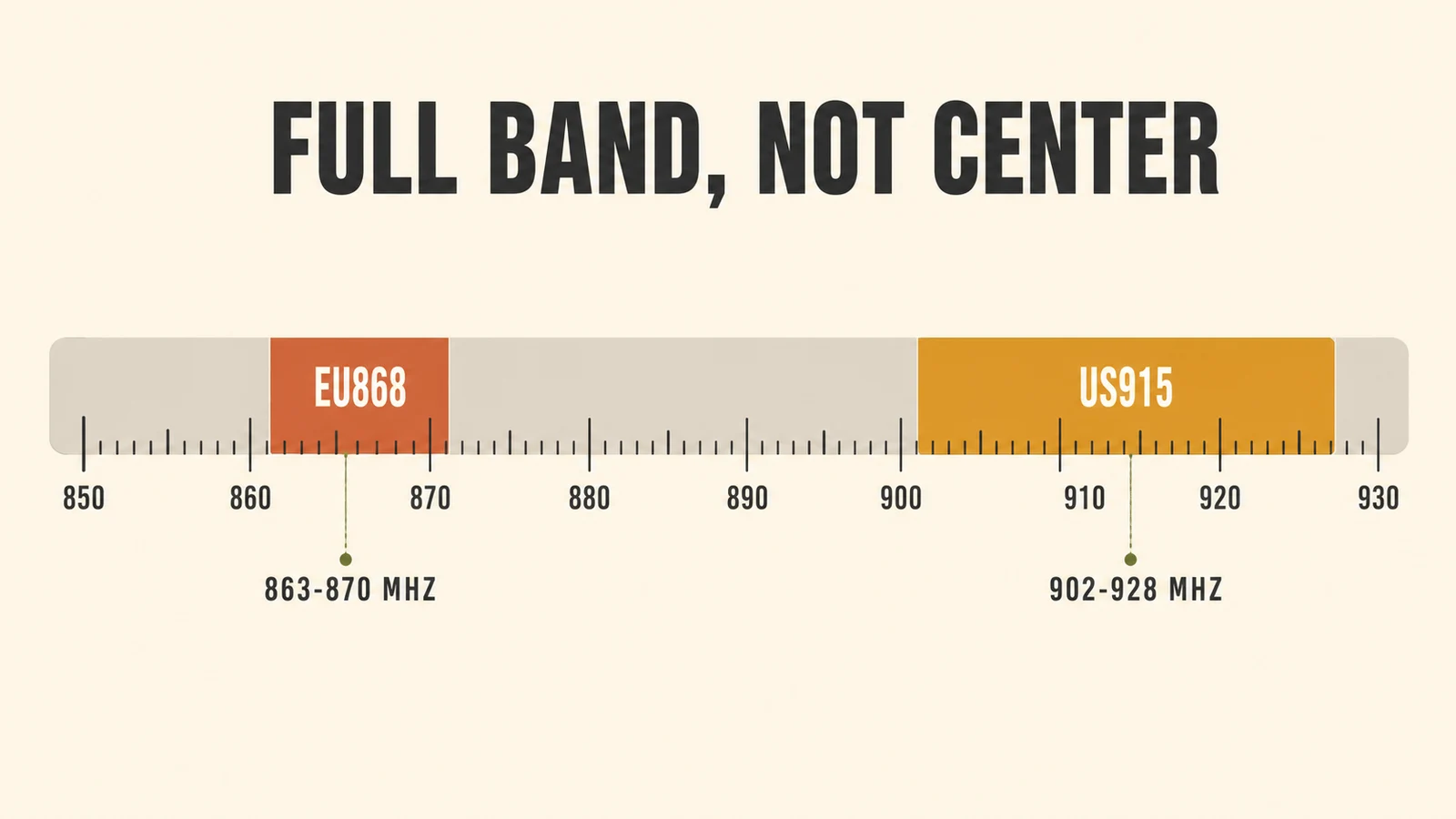
Specify the full band, not the center frequency: US915 LoRaWAN hops across 902-928 MHz, so an antenna that is only resonant at exactly 915 MHz underperforms on edge channels.
How to choose a LoRa antenna
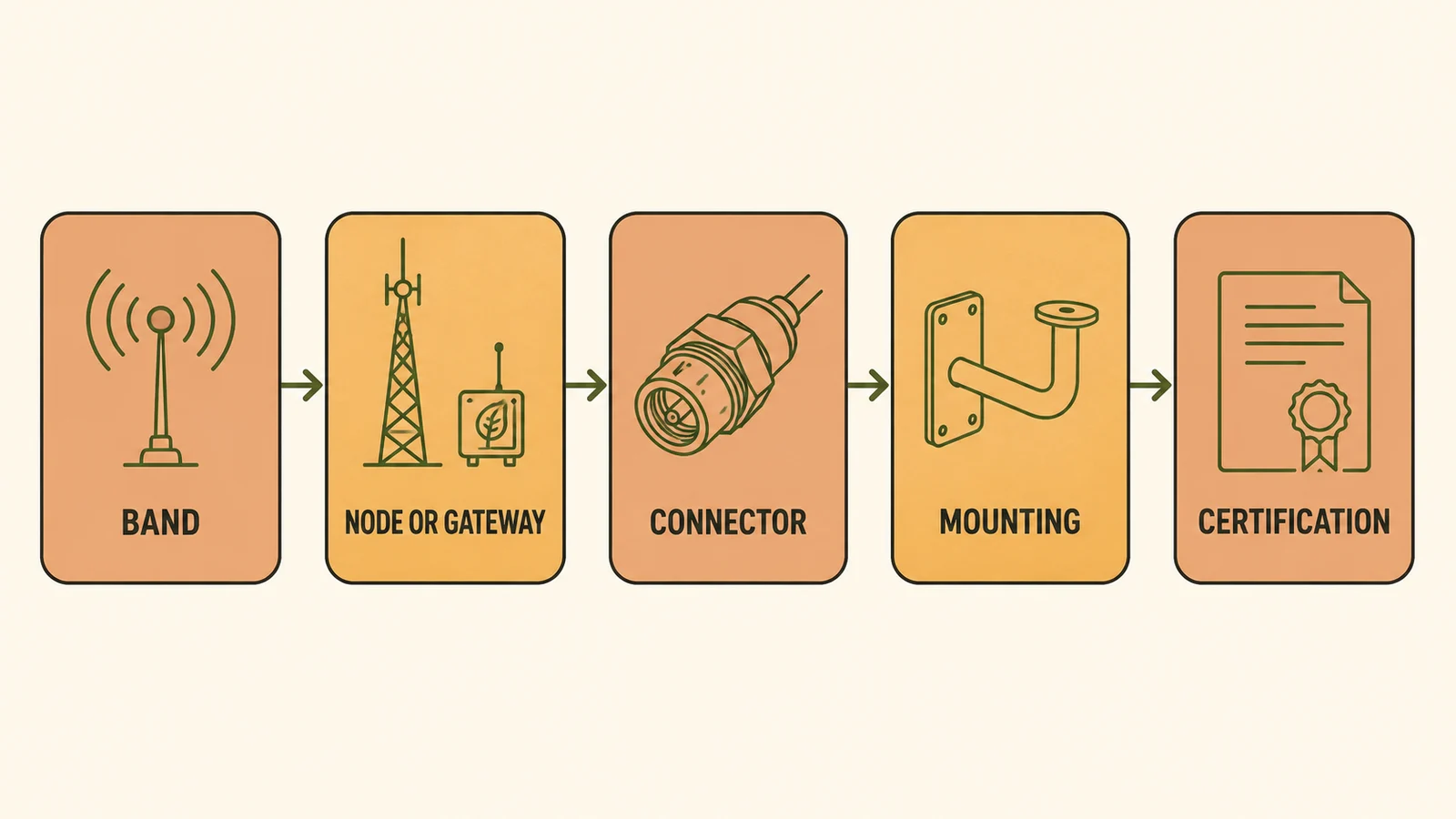
Work through these five decisions in order — most underperforming LoRaWAN links trace back to getting one of them wrong.
Frequency band
Match the regional plan: 863-870 MHz for EU868, 902-928 MHz for US915. An 868 antenna on a 915 radio is detuned — expect reflected power and shrunken range.
Node or gateway
Nodes want compact 0-3 dBi antennas with a forgiving pattern; gateways benefit from 3-8 dBi omnis mounted high. Above ~8 dBi the pattern flattens into a thin disc.
Connector & cable
N-type outdoors, SMA/RP-SMA on equipment, u.FL/IPEX embedded. Budget the coax too — thin cable at 900 MHz can quietly eat more dB than the antenna adds.
Mounting & environment
Outdoor antennas need a real IP rating and UV-stable radome. Magnetic and screw-mount monopoles need enough metal under the base to act as a ground plane.
Certification
If the device goes through FCC/CE radio certification, lock the antenna choice before compliance testing — gain and efficiency are part of the filing.
Where our LoRa antennas are deployed
Engineering guides
Background and selection reading from our RF engineering blog.
Frequently asked questions
What frequency do LoRa antennas use?
It depends on region: 863-870 MHz in Europe (EU868), 902-928 MHz in North America (US915), 923 MHz across much of Asia (AS923), and 433 MHz in a few legacy deployments. The antenna must match the band your network operates on.
What is the difference between a LoRa antenna and a LoRaWAN antenna?
Electrically, nothing. LoRa is the radio modulation; LoRaWAN is the network protocol running on top. Both use the same sub-GHz antennas — the terms are interchangeable when buying hardware.
How far can a LoRa antenna transmit?
In rural line-of-sight conditions, 5-15 km between a node and an elevated gateway is realistic; dense urban deployments typically see 1-3 km. Antenna height and a clear Fresnel zone influence range far more than adding a few dBi of gain.
Can I use an 868 MHz antenna on a 915 MHz network?
Not recommended. A single-band antenna is resonant only around its design frequency; off-band it reflects power instead of radiating it. If you need one part for both regions, choose a wideband 863-928 MHz antenna such as the GL8682, specified for that full range.
What connector do LoRa antennas use?
Outdoor gateway antennas are usually N-type; equipment and cabinet antennas use SMA or RP-SMA; embedded antennas connect via u.FL/IPEX pigtails. Check your radio’s connector and gender before ordering — adapter stacks add loss and a failure point.
Custom & OEM/ODM LoRa antennas
See custom LoRa antennas for what changes off an existing platform and what needs new tooling.
Around a third of our LoRa antenna output ships as custom work: retuning a standard design to a customer’s enclosure (plastics and nearby metal always shift resonance), custom cable lengths and connectors, private-label branding, and ground-up designs matched to a specific PCB. The process runs project evaluation → simulation → prototype → VSWR and efficiency validation on your actual device → production.

Get the right LoRa antenna for your deployment
Tell us your band, node or gateway role, enclosure and connector — we will recommend a model and quote it. Need GNSS or cellular in the same housing? Our combination antennas pair LoRa with GPS and LTE elements.
Request a free quoteNeed a compact 868 MHz device antenna? Compare available rubber duck antennas for LoRa, LPWAN and IoT terminals.
