
Modem & Router Antennas · SMA
Cellular Modem and Router Antennas for LTE and 5G
Most router antenna problems start at the port, not at the radio. Count the cellular ports, read the connector printed next to each one, then check the bands the modem actually uses in the country where the unit will run.
Modem & router antenna types
These antennas connect cellular modems, routers and gateways to the network — external whips, panels and MIMO antennas with SMA connectors and coax leads. Wideband models cover 4G/LTE and sub-6 GHz 5G internet bands, so a single antenna serves multi-band routers and failover gateways.
Cellular antenna fit
Need the right cellular antenna for your router, gateway or device?
Share the modem type, frequency bands, MIMO ports, mounting environment and cable length. We can recommend suitable 4G, 5G or MIMO antenna options.
Featured antennas
A selection from our catalog — every model is available for OEM/ODM band tuning, connector and branding options.
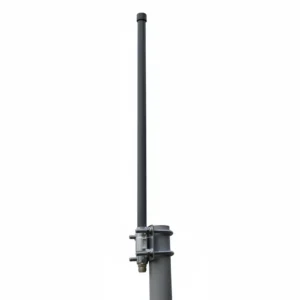
GL-L627FG4D
- Frequency 617-6000 MHz
- Gain Project dependent
- Connector 2 x SMA male
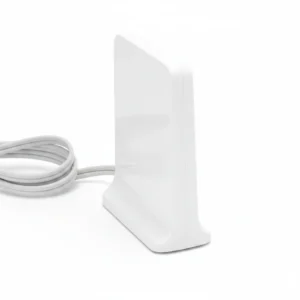
GL-DY7060VV3
- Frequency 698-960 / 1710-2700 / 3400-3800 / 4900-6000 MHz
- Gain 2.5 / 3 / 4 / 5 dBi
- Connector 2 x N-K
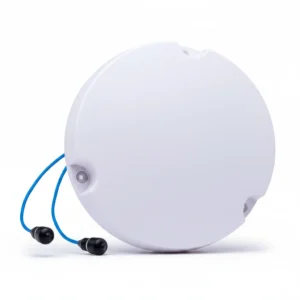
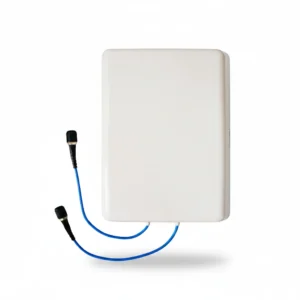
GL-DY009
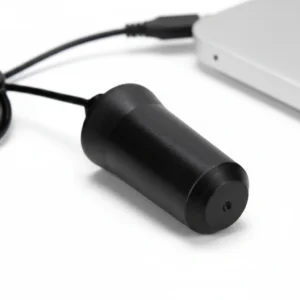
- Frequency 700-3800 MHz
- Gain 3 dBi
- Connector SMA male
Specification comparison
Match the band and coverage first, then gain and connector. Full datasheets are on each product page.
| Model | Type | Frequency | Gain | Connector |
|---|---|---|---|---|
| GL-L627FG4D | 2×2 MIMO fiberglass omni | 617-960 / 1710-2700 / 3300-4700 / 5200-6000 MHz | Project dependent | 2 x SMA male |
| GL-DY7060VV3 | Wideband MIMO omni | 698-960 / 1710-2700 / 3400-3800 / 4900-6000 MHz | 2.5 / 3 / 4 / 5 dBi | 2 x N-K |
| GL-DY7027HV | 2×2 MIMO omni | 698-960 / 1690-2700 MHz | 3 / 4.5 dBi | 2 x N female |
| GL-DY7027S | 2×2 MIMO panel | 698-960 / 1690-2700 MHz | 6.5-9 dBi | 2 x N female |
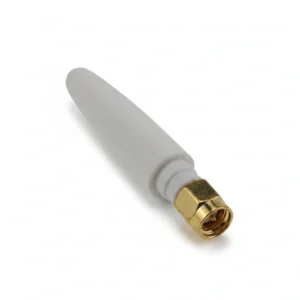
| GL-DY403-4G | 4G rubber duck antenna | 700-2700 MHz | 2.5 dBi | SMA male |
| GL-DY009 | Wideband screw-mount antenna | 700-3800 MHz | 3 dBi | SMA male |
How to choose
Match the band and coverage shape first, then gain, ports and mounting.
Port count
One port takes a single antenna. Two ports take a 2×2 antenna with matched feeds. Four ports belong on the 4×4 MIMO range — two 2×2 antennas side by side are not a validated four-path system.
Router connector
SMA male, N female and N-K are three different interfaces. A datasheet that just says “SMA” without a gender tells you nothing useful, so photograph the port or read the drawing first.
Cable length
GL-DY009 is the only model here with a published cable, 3 m of LMR195. For the rest, treat cable as an open item and count any adapter chain into the loss budget.
Installation
Direct-mount on the router, screw-mount through a cabinet wall, or external on a pole. A cellular antenna sealed inside a metal enclosure will not work, whatever the gain figure says.
5G gateways: check the bands, not the badge
Two of these antennas reach into 5G sub-6 territory. GL-L627FG4D covers 3300-4700 and 5200-6000 MHz; GL-DY7060VV3 covers 3400-3800 and 4900-6000 MHz. GL-DY403-4G stops at 2700 MHz, so it is an LTE antenna, not a 5G one, whatever the router supports. Send the exact NR bands the gateway is certified for — “5G ready” on a spec sheet is a marketing line, not a frequency list.
Metal enclosures, outdoor mounting and IP ratings
The usual answer for a metal cabinet is GL-DY009: screw it through the wall and keep the radio inside. If your design needs a specific low-profile height above the panel, give us the number, because none of the six models above is published as a low-profile part.
The same honesty applies to sealing. None of these six antennas carries a published IP rating. If you are specifying an outdoor 4G LTE antenna for a router and the tender says IP67, that becomes a project requirement we confirm against a specific model and its test record before quoting.
Kiosks, EV chargers and connected equipment
Interactive kiosks and EV charging stations run cellular, WiFi or both for payment, telemetry and remote management. The antenna still comes from the radio architecture, not from the word on the purchase order.
For a kiosk we need the modem bands, whether the path is 1×1 or 2×2, whether WiFi shares the housing, the connector gender, and what the metal cabinet does to the mounting position. For an outdoor EV charger, add sealing, cable exit, temperature and mechanical exposure. Use combination antennas when cellular, WiFi and GNSS have to share one external housing.
Engineering guides
Selection and background reading from our RF engineering blog.
Applications
Frequently asked questions
What connector do your modem antennas use?
SMA male on the compact models, N female or N-K on the larger external ones. Check the gender on your router port before ordering, not after.
External modem antenna or internal — which?
External, in almost every industrial case. The exception is a short-range indoor install where the router already sits in free space and adding coax would cost more loss than the antenna gains back.
Do you have external MIMO antennas for routers?
Yes. GL-L627FG4D gives two SMA male feeds; GL-DY7060VV3, GL-DY7027HV and GL-DY7027S give two N-type feeds. For four ports, use the 4×4 MIMO range.
Can you customise the cable and connector?
Yes. Cable length, connector and mounting are set per project, and we private-label from sample through to volume.
Do any of these antennas have an IP67 rating?
Not on their published records. Where a project needs a stated ingress rating we confirm it against a specific model and its test documentation rather than repeating a category-level number.
My router is inside a metal cabinet. What now?
Move the antenna outside the cabinet. GL-DY009 is built for exactly that: screw mount through the panel with a 3 m LMR195 lead back to the radio.
Custom & OEM/ODM antennas
As an RF antenna manufacturer we tune bands, gain, connectors and branding in-house — with sampling, testing and mass production to RoHS, CE and ISO requirements. Send your bands, gain and environment and our engineers confirm feasibility, lead time and MOQ.
Get the right antenna for your network
Tell us your frequency bands, coverage and MIMO requirement — we will recommend a model and quote it.
Request a free quote