
Embedded antenna portfolio
Embedded Antennas:
Chip, PCB, FPC and Ceramic Patch
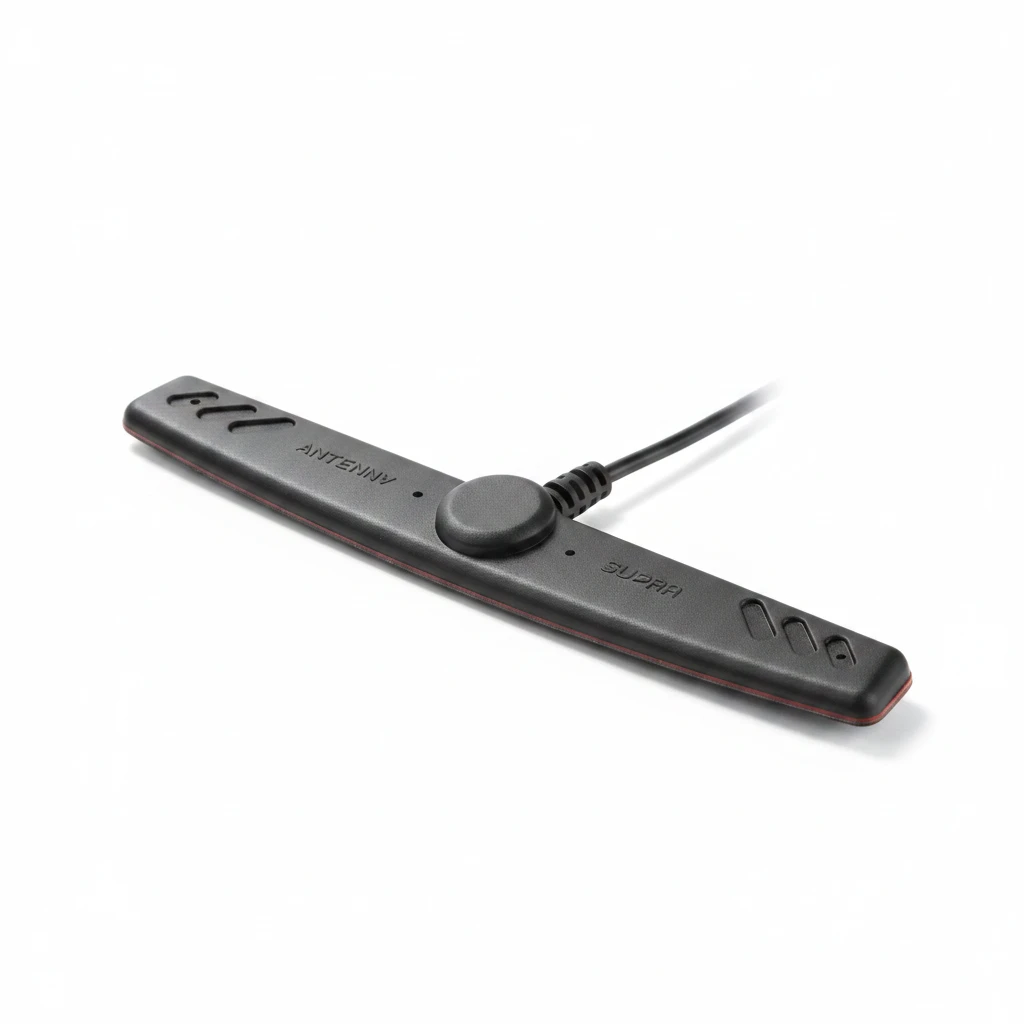
Embedded antennas for cellular, GPS/GNSS and IoT devices. Compare chip, PCB, FPC and ceramic patch formats, then match the antenna to the board, ground plane and enclosure.
About the products
Embedded antennas designed around the host device
An internal antenna does not work in isolation. Board dimensions, ground clearance, enclosure material, battery position and cable routing all affect RF performance. Our portfolio covers on-board and off-board embedded antenna formats for cellular and GPS/GNSS applications, with custom cable, connector and tuning support for OEM projects.
Explore Global RF Tech
Embedded antenna types
Featured embedded antennas
Start with a proven antenna format
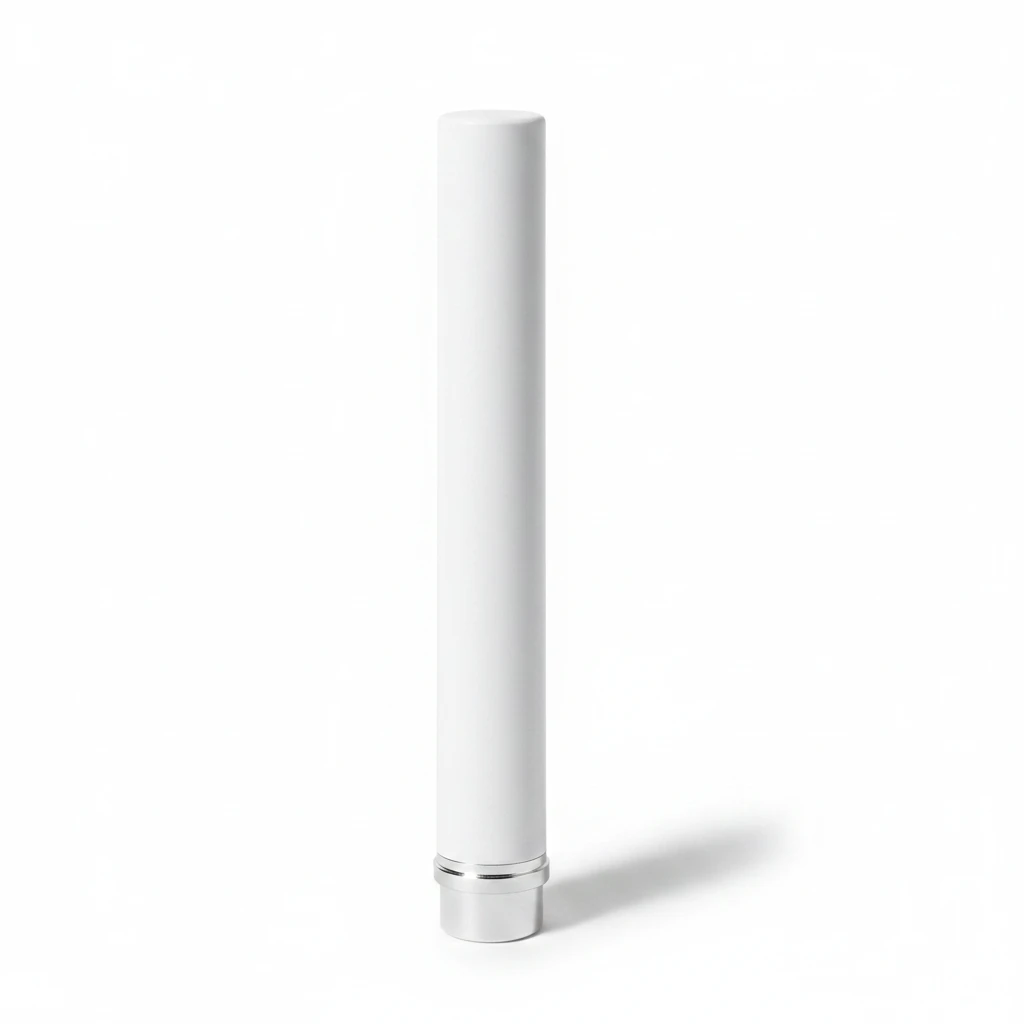
Cellular patch
GL-DY108
700–960 / 1710–2700 MHz embedded antenna for cellular routers and IoT gateways.
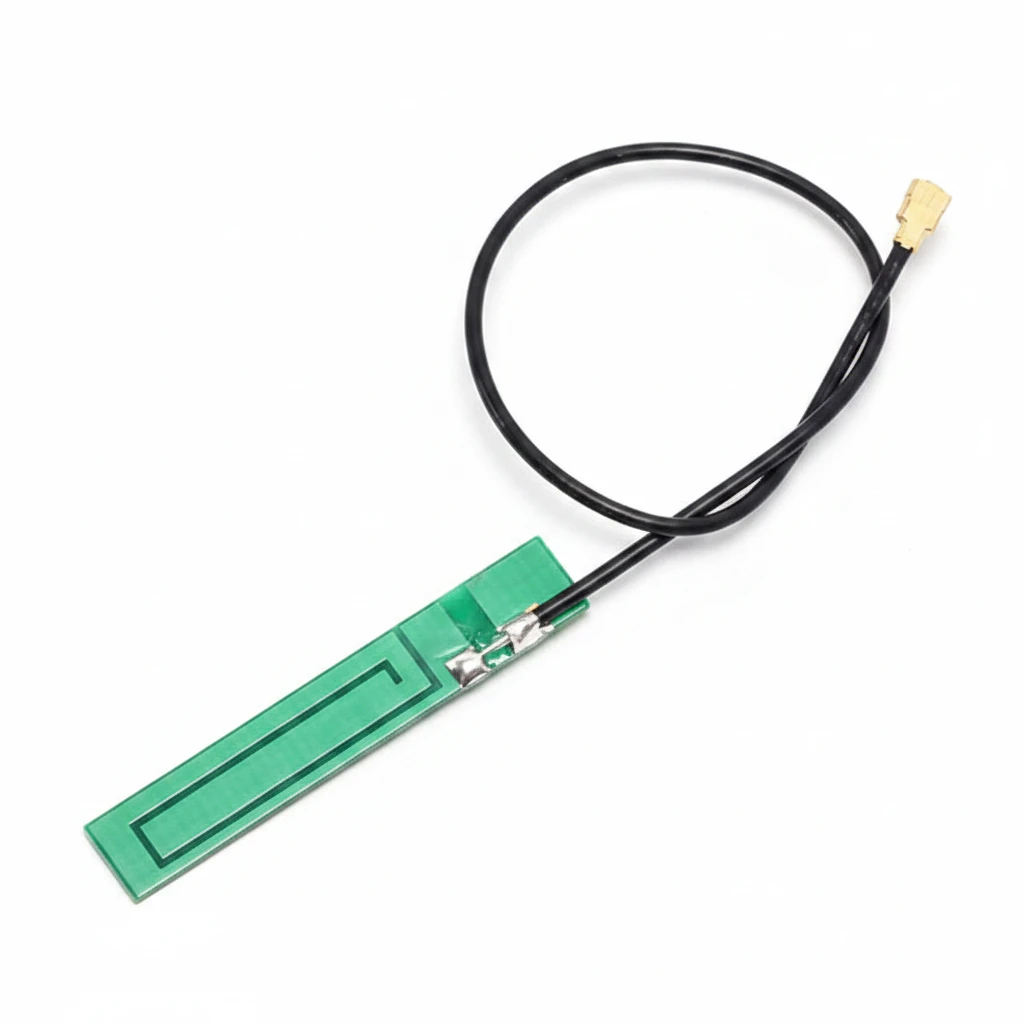
Cellular patch with IPEX
GL-DY131
698–960 / 1710–2690 MHz internal antenna with cable and IPEX connector.
GPS/GNSS ceramic patch
GL-DYS25 Series
Active and passive RHCP patch options for GPS, GLONASS, Galileo and BeiDou.
Integration support
The enclosure is part of the RF design
Datasheet performance assumes a defined test board and antenna clearance. The final device can shift resonance and reduce efficiency, so integration should be checked in the assembled enclosure.
For a low-power cellular module rather than a router, the band list comes from the module variant and the carrier. See NB-IoT and LTE-M antennas for the internal FPC and flexible options.
- Ground plane: confirm dimensions and the antenna reference layout.
- Keep-out area: separate the antenna from batteries, shields and displays.
- Enclosure: evaluate plastic, coatings, metal hardware and cable routing.
- Final tuning: verify matching, efficiency and radiation pattern before certification.
Sub-GHz formats
GNSS integration
Need help choosing a GNSS or patch antenna?
Tell us your device size, ground plane, constellation, cable and mounting requirements. We can help match active, passive or embedded GNSS antenna options.
Embedded LoRa antennas: 868 and 915 MHz
Sub-GHz embedded antennas are physically larger than their 2.4 GHz equivalents and much more sensitive to the ground plane around them. A quarter wave at 868 MHz is roughly 86 mm, so a device that comfortably hides a WiFi antenna often has nowhere sensible to put a LoRa one. Decide the antenna zone early.
| Model | Frequency | Gain | Format | Connector and cable | Temperature |
|---|---|---|---|---|---|
| GL8682 | 863-928 MHz | 2.15 dBi | Flexible FPC/PCB, 3M adhesive | UFL | -40 to +85 °C |
| GL-DY107 | 868 MHz | 2.5 dBi | Internal patch, 3M adhesive | UFL, VSWR <1.5 | -40 to +85 °C |
| GL-DYG086-868 | 868 MHz | Not published | Thin flexible, 37 x 7 x 0.8 mm | UFL, RG1.13 / RG1.37 | -30 to +60 °C |
| GLG4101 | 868 MHz | 3 dBi | Cabled internal, knuckle mount | IPEX or other; RG178 / RF1.37 or other | -40 to +85 °C |
| GL868S25 | 868 ±3 MHz | Not published | Ceramic, PCB mount | Board level | Not published |
| GL003-868 | 868 MHz | 3.0 dBi | Low-profile screw mount, φ46.6 x 14.5 mm | SMA male | -40 to +85 °C |
Connector series
Our standard sub-GHz internal parts publish UFL and IPEX interfaces. If your module needs a different series, including the smaller MHF variants, that is a cable assembly we confirm against your module connector rather than assume from a category.
Cable length
There is no single standard cable length across orders. A 2 m RG174 run with an SMA male end is a build we quote to your drawing, not a catalogue variant. Three metres of thin coax at 868 MHz costs real signal, so send the run length with the request.
Low-profile and sealing
GL003-868 is 14.5 mm tall on a 46.6 mm base for a puck-style external mount. None of the sub-GHz parts above publishes an IP rating, so the sealing boundary at the housing is a design item you specify and we confirm against the quoted datasheet.
Panel-mount 915 MHz builds with an SMA male interface, and any 868 MHz PCB antenna matched to 50 ohm on your board, are handled as custom platform changes. See custom LoRa antennas for what changes cheaply and what needs tooling, or the full LoRa and LoRaWAN antenna range.
Embedded antenna FAQ
Questions engineers ask before selection
What is an embedded antenna?
An embedded or internal antenna is installed inside the host product as a chip, PCB element, FPC antenna or ceramic patch instead of being mounted outside the enclosure.
Chip, PCB, FPC or ceramic patch—which should I use?
Choose a chip antenna for a small component footprint, PCB for an integrated printed design, FPC for flexible placement, and ceramic patch for sky-facing GPS/GNSS positioning.
Why does an internal antenna underperform its datasheet?
The final ground plane, enclosure, battery, display, cable and nearby metal change antenna impedance and efficiency. Test and tune the complete assembled device.
What information should I send for a recommendation?
Send the target bands, board dimensions, ground area, enclosure material, available antenna space, connector or cable requirements and certification market.
OEM / ODM antenna support
Need an embedded antenna matched to your device?
Send the bands, PCB dimensions, ground area and enclosure drawing. We can recommend a starting antenna and discuss connector, cable and tuning requirements.
PCB trace antenna design basics
Use our PCB antenna guide to compare printed traces with ceramic chip and FPC architectures before layout release.
