
360° RF Coverage
Omnidirectional antennas — also specified as an omni antenna, an omni-directional antenna or, in UK usage, an omni-directional aerial — radiate through a 360° horizontal pattern. Vertical coverage, frequency band, polarization, mounting and connector all vary by model. Global RF Tech builds outdoor fiberglass, indoor ceiling-mount and specialty omni designs for cellular, private wireless, IoT and RF-monitoring projects.
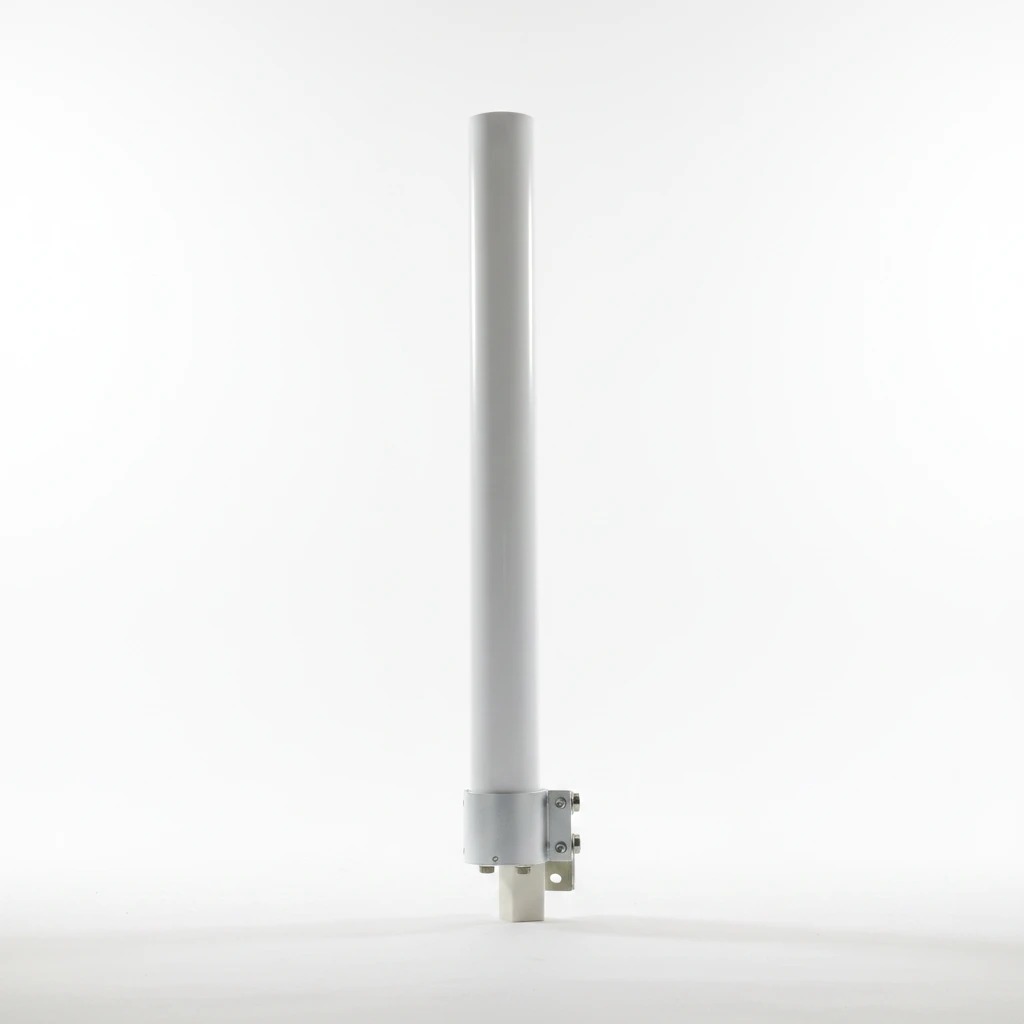
Start with the deployment
Outdoor
Fiberglass omnidirectional
A vertical outdoor form factor for coverage around a mast or fixed installation. Confirm band, vertical beamwidth, mounting hardware, connector and environmental limits for the exact SKU.
Indoor
Ceiling-mount
Low-profile enclosures for indoor coverage with a planned cable route. Single-port and multi-port models are separate choices; port count, polarization and bands must match the RF system.
Specialty
RF-monitoring & anti-jamming
Products aimed at a narrower technical task rather than general cellular coverage — for example, GL5800-165 covers 5.5–5.8 GHz. Treat these as application-specific options, not wideband substitutes.
How to choose an omnidirectional antenna
Match every required frequency band
Start with the transmitter, receiver or modem specification. A model that covers one cellular or private-network range is not automatically suitable for Wi-Fi, GNSS or another radio. If the project uses several radios, list every required band before comparing antennas.
Review gain together with beamwidth
An antenna does not create RF power; it redistributes energy through its radiation pattern. Higher gain generally narrows vertical beamwidth, so a bigger gain number is not automatically better — check where devices sit relative to the antenna, especially when it is mounted above the coverage area. For a deeper comparison, read Omnidirectional vs. Directional Antenna Choosing between gain levels? See how to choose an omni antenna..
Confirm polarization and orientation
The antenna and radio system should use compatible polarization. Several fiberglass products here are vertically polarized, while ceiling and specialty families may differ. Verify the exact product drawing rather than assuming every omni antenna is identical.
Check connector and RF path
Confirm the antenna connector, mating cable or jumper, cable loss and total route before sampling. The products below include N-type and SMA interfaces. A mechanically compatible connector still needs to fit the system impedance and frequency requirements.
Check the mechanical and environmental fit
Compare dimensions, mounting clearance, radome, operating temperature and installation environment. Outdoor fiberglass, indoor ceiling and compact specialty products solve different mechanical problems. Use the individual product page and technical drawing for final validation.
Representative omnidirectional antenna options
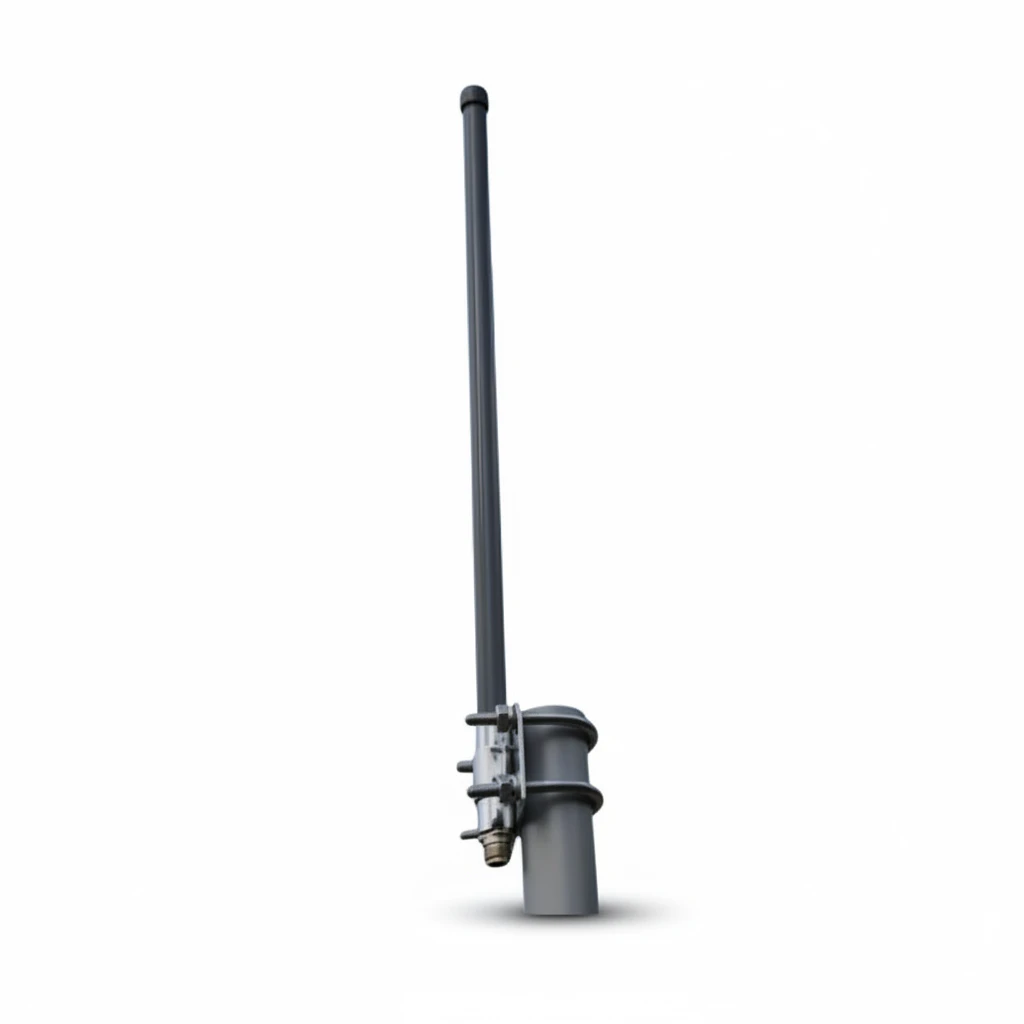
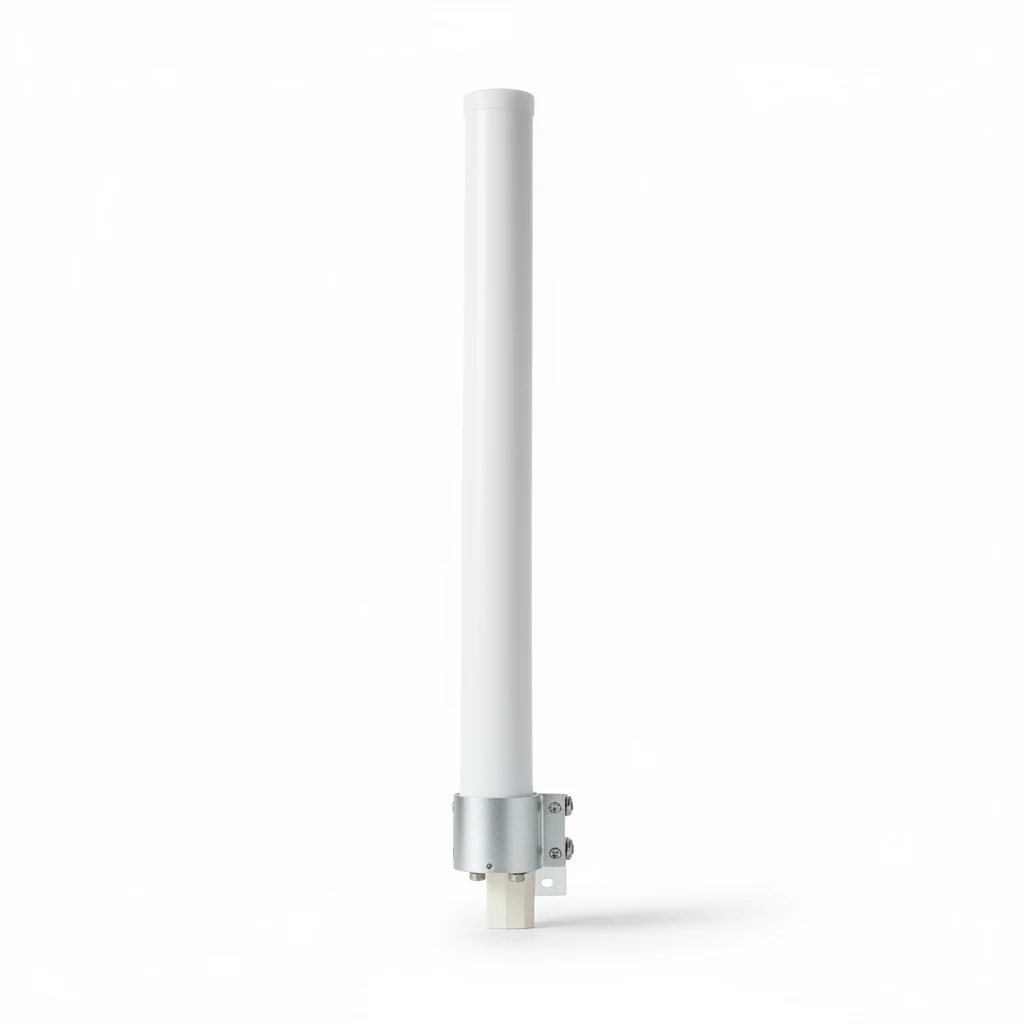
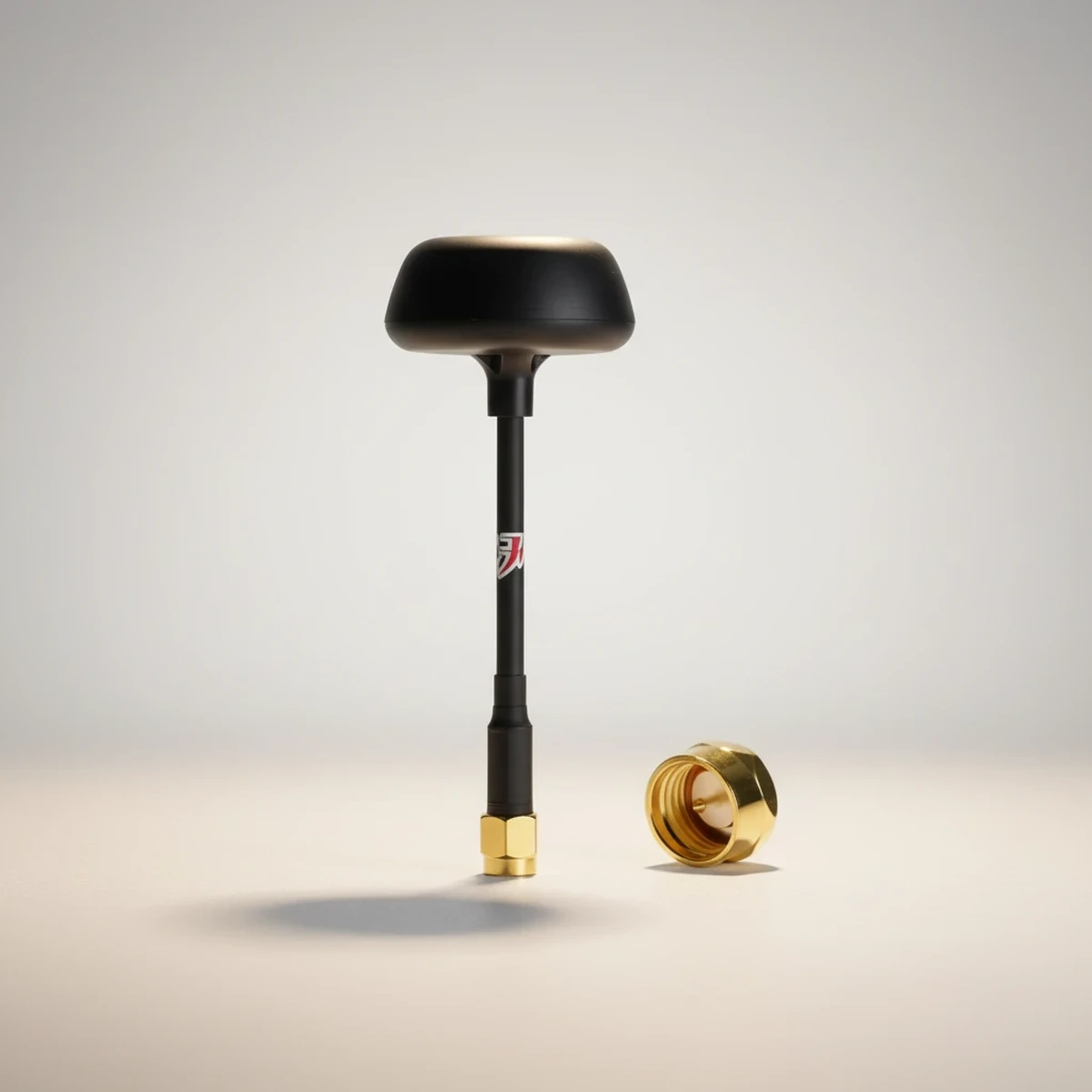
These examples show the range of tasks inside the category; they are not interchangeable. Confirm the current technical sheet for the selected SKU before sampling or integration.
Omnidirectional or directional?
For land mobile systems in the 110–450 MHz range, see our VHF & UHF antennas. Choose an omni-directional antenna when the system needs horizontal coverage all around the antenna; choose a directional design when RF energy must be concentrated toward a known area, link or corridor. Let the coverage geometry and a site-specific RF plan decide — not the antenna name alone.
When both ends of the link are fixed and the hop is long enough that a panel runs out of margin, step up to a parabolic dish antenna — 17 to 28 dBi, with beamwidths down to 6°.
What to include in your inquiry
Send the following so the technical team can review a practical subset:
- required frequency bands and radio technology;
- target coverage area and antenna location;
- indoor or outdoor installation;
- preferred connector and cable route;
- mechanical size or mounting limits;
- polarization, gain or beamwidth targets, if already defined;
- expected operating environment and any model-specific documentation needs.
Prepared by the Rftech Technical Team from current Global RF Tech product specifications and engineering references. Product data checked July 15, 2026; verify the latest model drawing and datasheet before integration.
